They're forecasting heavy nostalgia this weekend
Pawel Halicki
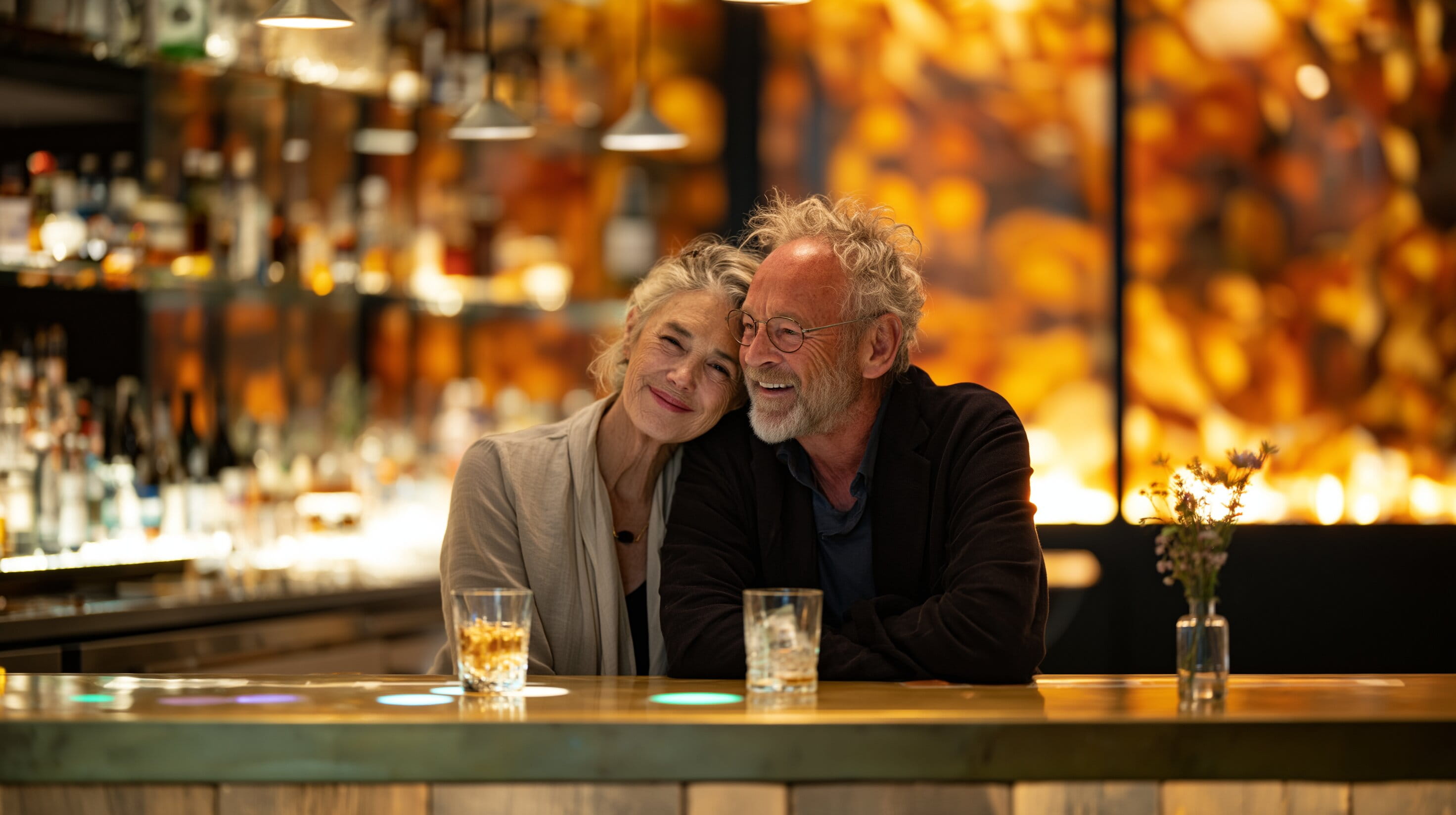
The doors open, and she knows it’s an anniversary booking before their file resolves on her screen. Not from the flowers or the luggage rolling behind them, but from the calm smile. The smile of people who came here to step back into something together.
She smiles, too, setting both hands on the desk.
- Welcome back to the Meridian Recall. Checking in?
- We’re in for the full week programme.
- Our kids booked us another package this year.
The woman leans on her partner’s arm and offers her wrist with the automatic ease of a frequent traveller. The reader takes an extra second, pulling a fresh baseline before clearing them in.
- Lovely. Your signatures are already in. Continuity cover is still active, so this shouldn’t take long. You picked a good week, too. They’re forecasting heavy nostalgia this weekend. First-home and early-career bands are coming through especially well.
- See? Told you I picked the right weekend.
- You’re just lucky.
The receptionist smiles at the screen.
- Thank you. We’ve got your week sequenced and staged. Your luggage will be taken care of. Are you carrying any personal items you’d like us to anchor your stay around?
- Not really. Only photos and playlists this time. Everything should already be with you.
- That’s perfect. We already have your audio pulls, menu archives, and home media traces from the pre-share. Most returning guests bring less every visit. Once we get the atmosphere right, most guests stop caring about objects as much.
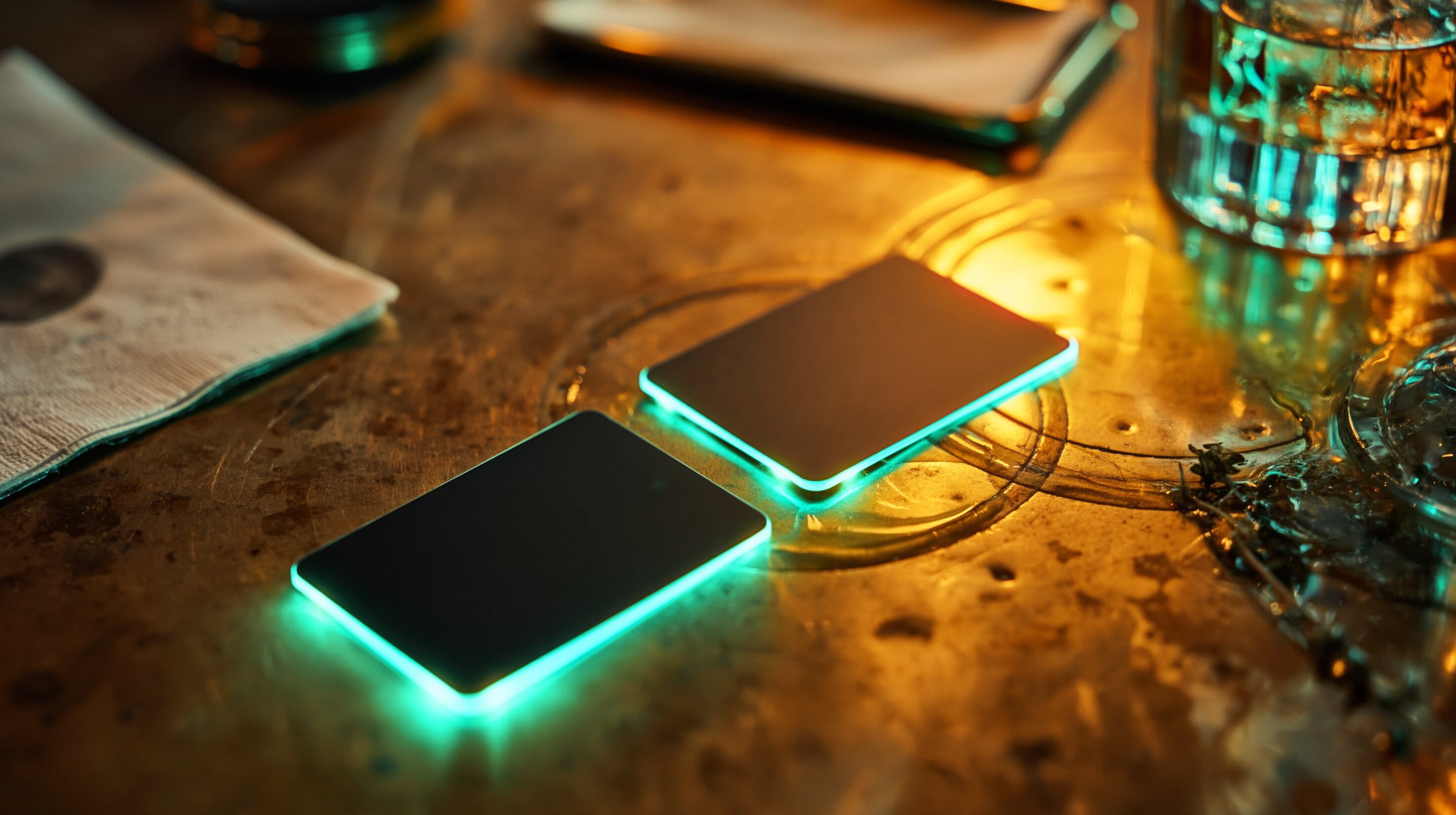
The guest log chimes. She slides two blank cards into the slot beneath the screen.
- We’re easing you in at the bar. The first bad restaurant you kept returning to is almost ready on the rooftop. Kitchen calibrations always take a little longer. Smell is the first thing guests call out when it’s wrong. All your meals this week will be rebuilt around the flavours, brands, and cooking habits most likely for the years you booked.
She hands them two cards, still warm from the press.
- Your pass will turn green whenever the next layer is ready for you.
- We’re still on low intensity tonight, right?
- Exactly. We keep the arrival day light. Most guests respond better once the baseline has settled. Enjoy your stay with us. We hope this week gives you something worth finding again.
- Thank you. This means a lot to us.
- You’re welcome. The bar is on your right.
They head for the bar, passing a group sunk deep into the lobby’s low evening sofas.
- Remember that crazy neighbour in our first flat?
- Oh yeah. Her small talk always felt preloaded.
- Mm. If they got her right, we should ask for a partial refund.
- And that restaurant. If they got that greasy smell right, we’re leaving.
- You said that last time.
They disappear around the corner just as the woman laughs. She glances at the queue. Six more check-ins before lunch.
Memories to build from this future:
Think back to the last time a smell caught you off guard. Something ordinary, such as cooking oil, cheap soap or damp plaster. It put you back in a specific room and a specific year. And if someone was with you who'd been there too, you both felt it land without a word.
Now, stay in that room:
Go back to an evening when your home system used archived photos, playlists, and meal data to calibrate an environment that smelled, sounded, and tasted like a time you missed.
What did you stop holding onto once a reconstructed atmosphere could put you back there more vividly than any given object?
How did a flavour rebuilt from your own data land differently than the version you’d been remembering?
Which detail did you stop requesting in the calibration once you realised it mattered less each time?
Try to recall the year when checking a nostalgia forecast and scheduling a reconstructed week from your past felt as routine as checking the weather.
What changed about how you hold onto the past once revisiting it became something you could schedule?
How did people around you start treating shared history differently once it could be reconstructed rather than just retold?
When did you stop trying to preserve a memory yourself because the continuity archive already had a richer version?
Think back to the week your team started scheduling the most important conversations around a cognitive-clarity forecast.
What shifted once the best window for a difficult topic was something you could expect rather than leave to chance?
Which recurring meeting was autorescheduled once the forecast proved that its participants would perform better at a different time?
How did the quality of decisions change once hard thinking stopped landing in whatever slot was open and started syncing to the forecast?
Before we finish here.
If you could preserve the full sensory texture of any ordinary moment and step back into it years from now, which parts of this month would you want to save?
What would you try first? And does anything from this one connect to ideas from other sessions?