That tree made two million last year
Pawel Halicki
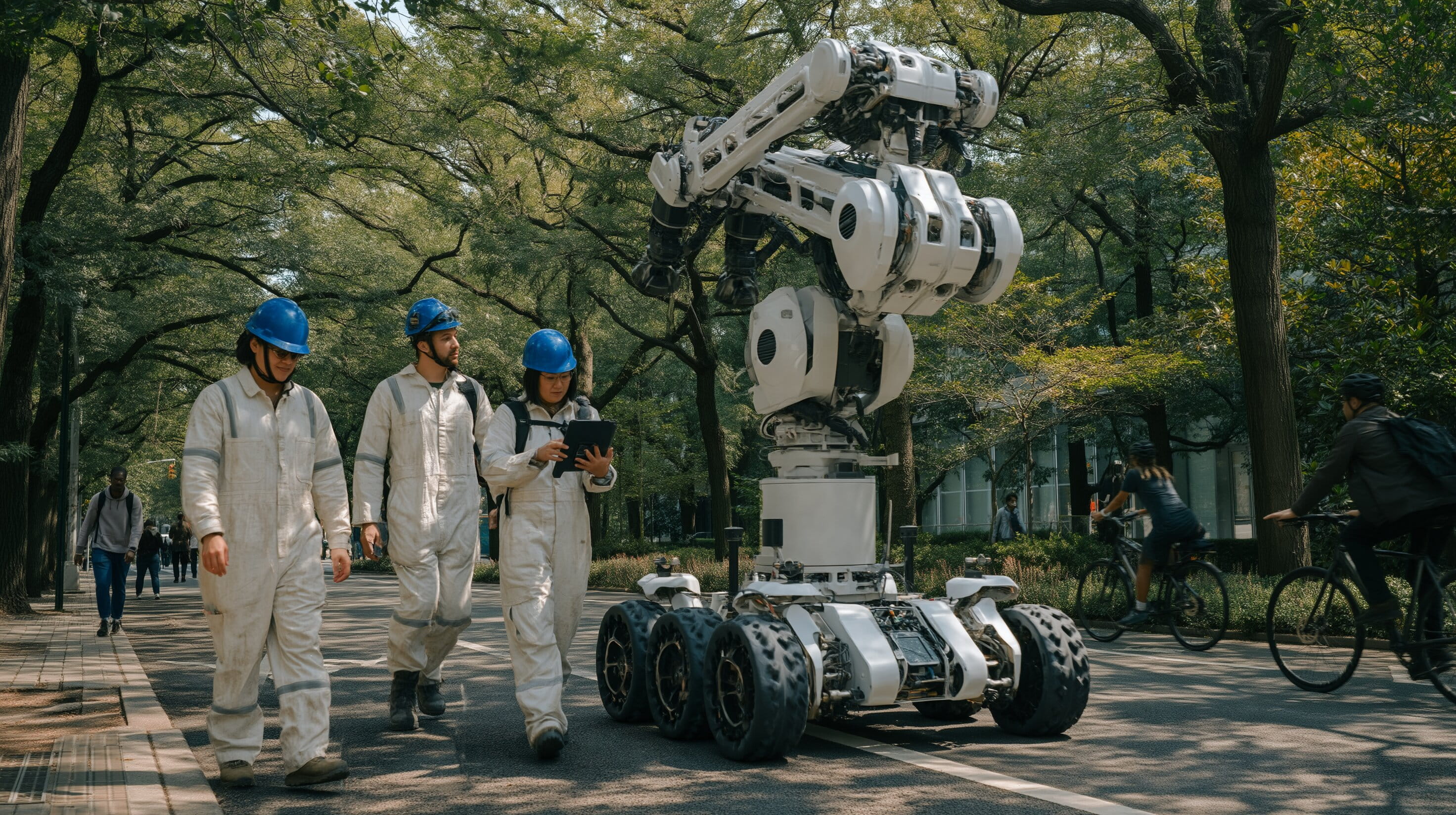
The canteen is busy, roboservers weaving trays through the hungry crowd. He approaches their table, where his crew is almost ready to leave.
- Sorry to keep you waiting.
- No problem. How is your day?
- I’m phenomenal. Shame handwashing isn’t a real sport. Public hygiene score says I beat 97% of the city today. No medal, sadly. What did I miss?
They grab their blue safety helmets and head out.
- Not much. We started assessing the next patient.
- Another canopy-care drone?
- What else would you expect to break at this time of the year?
- I wanted to be an engineer, but I’m slowly becoming a gardener.
- This is how cities make greenery part of how they grow now. Why do you think everyone wants to live by a park? Better air, more shade, cooler streets, nicer views. The city finally learned how to measure what trees actually save.
- Tree care used to get cut first. Harder to do that once the canopy starts showing up as value. Summer cooling, water retention, air quality, it’s all tokenised and feeds the index now.
- Cities figured out how to price what trees do, and now nearby property values rise and fall with tree health. Higher values, higher tax base. Planting trees grows revenue.
- That tree made two million last year. In this neighbourhood? Wild, right? Sure, high-value zones move the numbers first, but the canopy budget covers the whole city.
- Our drones keep the trees healthy. Healthy trees push the index up. The city gets to keep growing it.
- Cities are the toughest systems we’ve ever built. You’re servicing the urban metabolism.
- When you put it that way, healthy trees sound like infrastructure.
- Context is half the motivation.
They put on their helmets and wait for the hangar door to open.
- That’s too much machinery behind the meaning for me.
- Everything is complex. Simple is just complexity with better packaging.
- If it’s simple, you’re probably not looking close enough.
He claps twice to bring them back, pointing at the canopy-care drone frozen mid-dock in the service bay.
- Okay, guys. Let’s get back to work.
- Where was this one picked up? Telemetry’s flat.
- Let me check. Golden Triangle. High-rise canopy zone.
- Of course it did. Have you seen those towers? They’re absurdly high. The views must be unreal.
- Do you think people living on top floors can even appreciate it?
- True. At that height, you can’t even judge the weather by what people are wearing down on the street.
- Sounds like the kind of problem I’d love to afford.
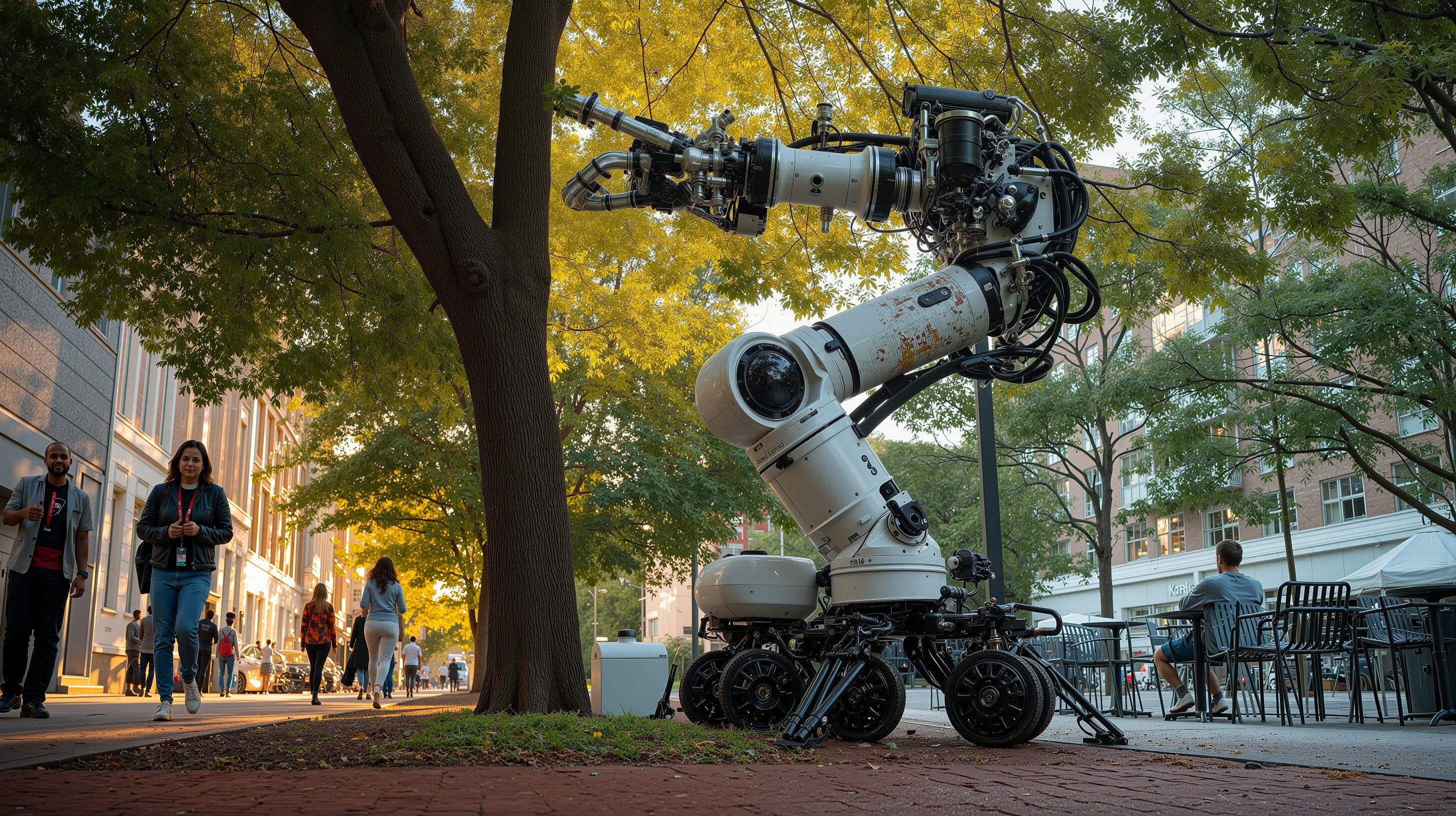
Memories to build from this future:
Try to recall the last time a background sound stopped and you noticed the silence it left behind. A fan cycling off. An air conditioner pausing. You hadn't heard the hum until it was gone, and in that gap you realised how much work something quiet had been doing the whole time.
Now, stay with what that quiet was carrying:
Go back to a regular day in your neighbourhood once the trees outside started feeding a live canopy index tied to air quality, cooling, and property values.
What changed about how you relate to the greenery around you once its contribution carried a visible number?
How did it shift what feels worth protecting once you could see what the environment around you actually saves?
Which part of your surroundings did you start noticing differently once things that were always there began registering as value?
Think back to a regular week where your team's skilled, hands-on work fed an index several layers above, and the results showed up somewhere none of you directly touched.
How did it change the energy around routine tasks once someone traced the chain from your repair to the system it supports?
What shifted about how your team talks about purpose once the distance between the work and its impact became something people could follow?
What surfaced when connecting the work to the index energised some of your team but felt like unnecessary complexity to others?
Try to recall the year your organisation started tokenising what its most overlooked systems actually contribute, turning a budget line that always got cut first into one that funds itself.
What changed about which costs survive reviews once invisible contributions started showing up as revenue?
How did it shift where investment lands first, once high-value areas moved the numbers, while the budget was meant to cover everyone?
Where did you first notice tension once something people valued simply for being there had to justify itself through a metric?
Last thing on this one.
If someone traced the chain from the quiet, routine work around you all the way to what it actually holds together, what would change about which contributions get protected? Which piece of quiet work around you would you be curious to trace first?
And does anything from this one tie to ideas from other sessions?