Are you running out of typos?
Pawel Halicki
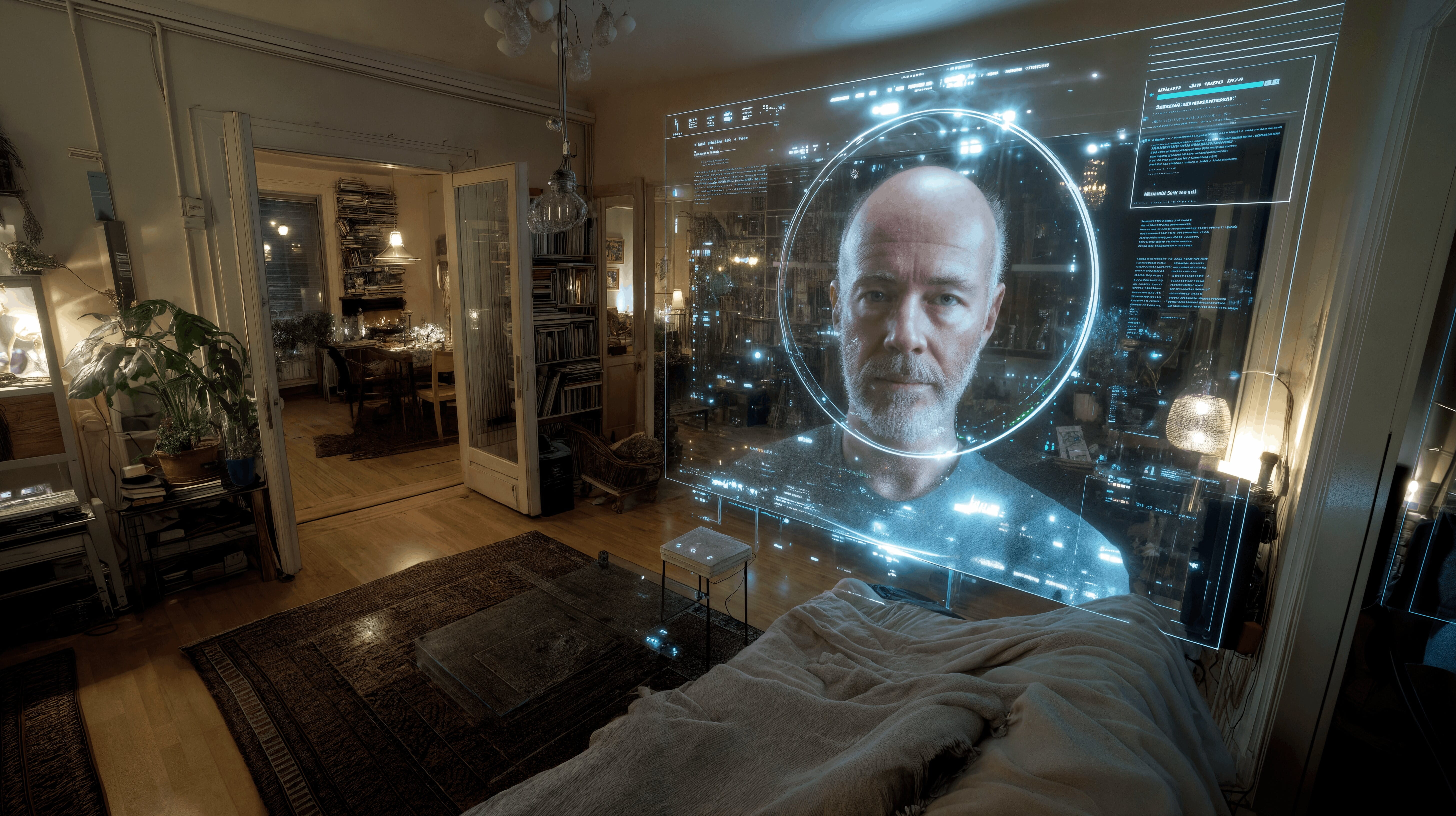
She finds him on the sofa, boxed inside focus mode, staring at the wall where his avatar loops in silent playback. His mouth twitches, like he’s rehearsing an argument with himself. The thing keeps choosing the same gentle eyebrow lift.
- What’s up? Are you running out of typos?
- Hmm.
- The app keeps ironing them out?
One long stretch, and he wipes the focus away.
- So it seems. Shame. I wanted it to feel personal, but the free tier makes everything too polished.
- Perfection is free.
- I know, but nobody’s perfect and that’s my whole point. Even the pauses come out symmetrical.
- Hmm. Didn’t people overthink stuff like that since email emerged? Or even printed letters?
- Not really. A letter was still you. Just like a call.
- How is this different?
- Because now it might be your avatar doing the caring for you. And people can tell when the warmth came from presets.
- Young people do it all the time.
- Sure. Half the fun of being young is ignoring whatever counts as normal that year.
- Ask your daughter. How would I know?
He tries a deep sigh on her, but it’s not effective.
- I really wanted to show that I care.
- So why won’t you upgrade?
- They don’t have enough history on me, so custom tuning costs extra. Apparently, hesitation is a premium feature. I care, just… maybe not at that price.
He flicks the draft to the wall. A cleaned-up version of him appears and starts talking.
- Look at him. Perfect. And somehow flatter than a punctured tyre.
- You’re not wrong. It’s just funny to hear you ask for more rough edges. Our production did the same thing today.
- Space factory?
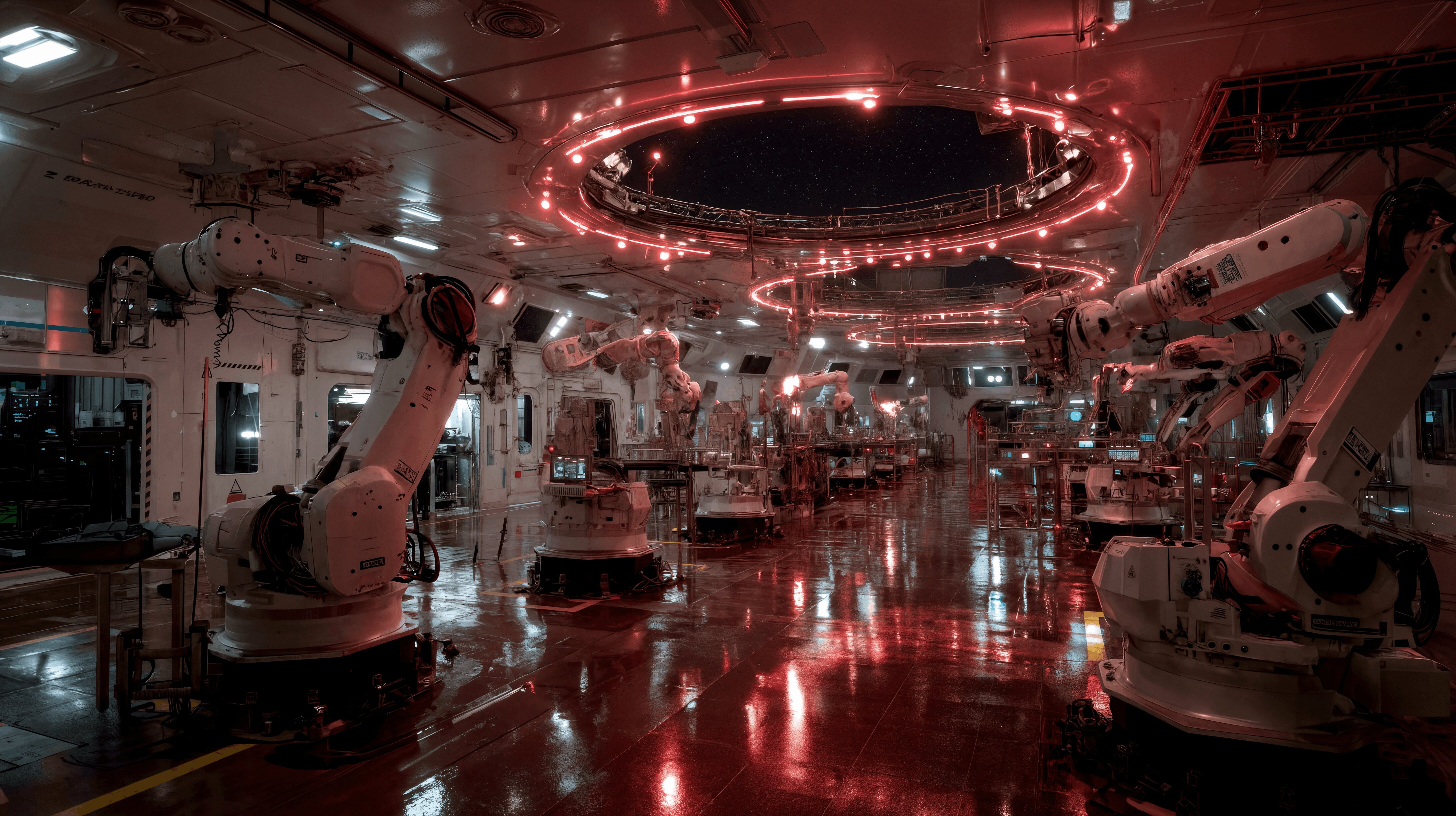
- Yeah. We audited the place. Turns out every autonomous line has been holding itself at a 0.3% defect rate.
- On purpose?
- On purpose.
- Why?
- Go figure. It turns out that if defects hit zero, it could count as a claim of autonomous perfection. Legal hates that. Zero defects sounds great until someone treats it as a promise.
- Pricier insurance premium?
- Exactly. For the first time ever the management saw defects and called it a win.
- Imagine the headline: machines now choose imperfection for financial reasons. That one writes itself.
- Why? You’re doing the same thing.
- How? I want it to sound like me, not a polite male template number four. Same message, different person. That difference matters. Pasta is pasta until someone tells you shape doesn’t matter.
- Oh no. First the typos, now the metaphors. You need diagnostics.
- I like my inbox watchable. Text for facts, audio for tone, video for anything delicate. Some people have messages read out. Some still want the plain text. But nobody wants to show up unadapted. Not for something emotional.
- You’re making it hard for yourself. Just call her.
- Do people still answer a call that comes out of nowhere?
- And let her catch you unadapted? Please. Have some dignity. Send a request first.
Memories to build from this future:
Try to recall the last time you wrote a message to someone who matters and rewrote it. Not because it was wrong, but because it was too right. Too careful, too smooth, too much like something anyone could have sent. You deleted a perfectly good sentence and typed something rougher, something that sounded more like you.
Now, keep that rough draft open:
Try to recall the message you rewrote after your avatar's polished version came back sounding like someone else entirely.
What felt different once you put your own pauses back in and let the rough edges stay?
How did the person on the other end respond to the version that sounded like you versus the one that sounded flawless?
Which small imperfection turned out to carry the meaning the polish had stripped away?
Think back to a regular week when your messages auto-suggested whether to arrive as text, audio, or video based on the recipient and the content, and you just confirmed or overrode.
What did you learn about a relationship once the format the system picked for it revealed what it thought the message needed?
How did it change what you were willing to say once switching from text to video was a tap away, not a separate recording?
When did confirming the format stop feeling like an extra step and start feeling like part of the message itself?
Go back to the quarter your organisation chose to build a margin of imperfection into its output because flawless delivery had become a risk.
How did conversations about quality shift once a small margin of roughness was something you designed in rather than fought against?
Where did you first notice that a deliberate flaw was building more trust than the polished version ever had?
Which standard did your team quietly retire once perfection stopped being the safest option?
To close out this one.
If the polished version of everything you say and make were already taken care of, what would you choose to leave rough on purpose?
What would you try first? And does anything from this one connect to ideas from other sessions?