Apology detected and queued for sincerity check
Pawel Halicki
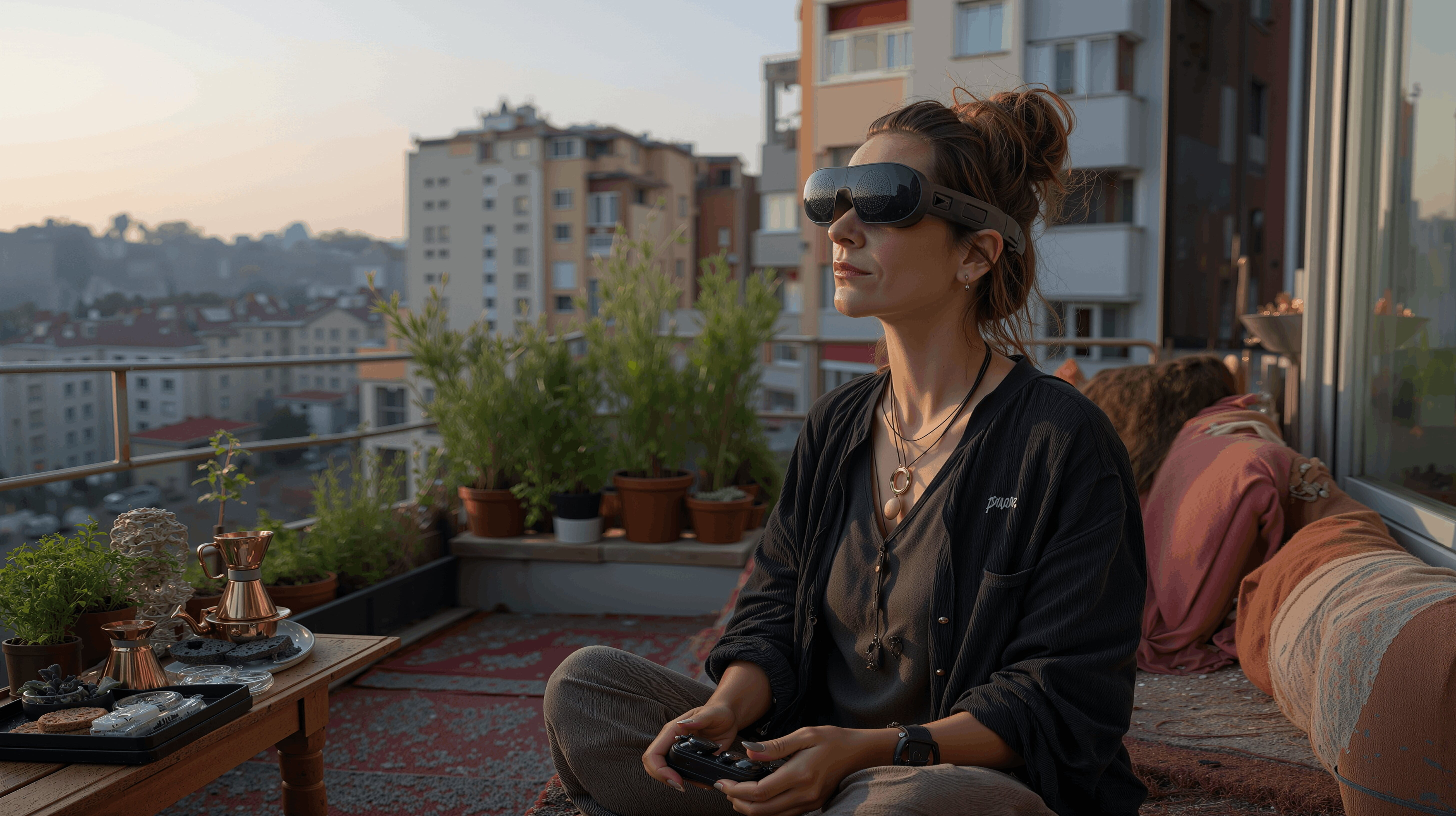
The breadpress plop-splats through its evening cycle like it’s trying to be comforting.
[Apology detected and queued for sincerity check.]
He stares at the amber bar on his wrist. Status only. 41 minutes. Sitting at the counter, he turns the espresso saucer in his hands. The thing is surprisingly solid for something that was stale bread just two days ago. Finally, the amber line pulses once and settles.
[Sincerity: Pass. Holding for optimal receptivity.]
He wrote three drafts that started with “I was only trying to…” and deleted every one. The fourth sat in his throat for twenty minutes. Their assistants’ buffer routed it up before he even finished. Suddenly, the door chimes.
She’s back from her run. Eyes red. Arms crossed, but not locked. Silence. He doesn’t move. She doesn’t either. The breadpress finishes its proof and clicks into bake mode.
- I opened it.
He nods.
- Yeah. I watched it sit on hold in our buffer for almost an hour.
- I knew you apologised when my playlist switched to calm-down mix.
- You could have opened it earlier.
- I couldn’t. I wasn’t ready earlier. That’s what the buffer is for.
- Did it help? Knowing something was waiting for you?
- It stopped me from assuming you didn’t care. Which is what I was about ten minutes away from deciding.
Another silence. Shorter this time. Good sign.
- It was a four-star apology at best.
- Fourth draft. The first three started with “I was only trying to.”
- Most apologies are excuses with better manners.
- Mine was an apology with a private bunker.
She inhales, stiffening again.
- When did you start linkjecting my feed?
- It wasn’t, I didn’t mean it like that.
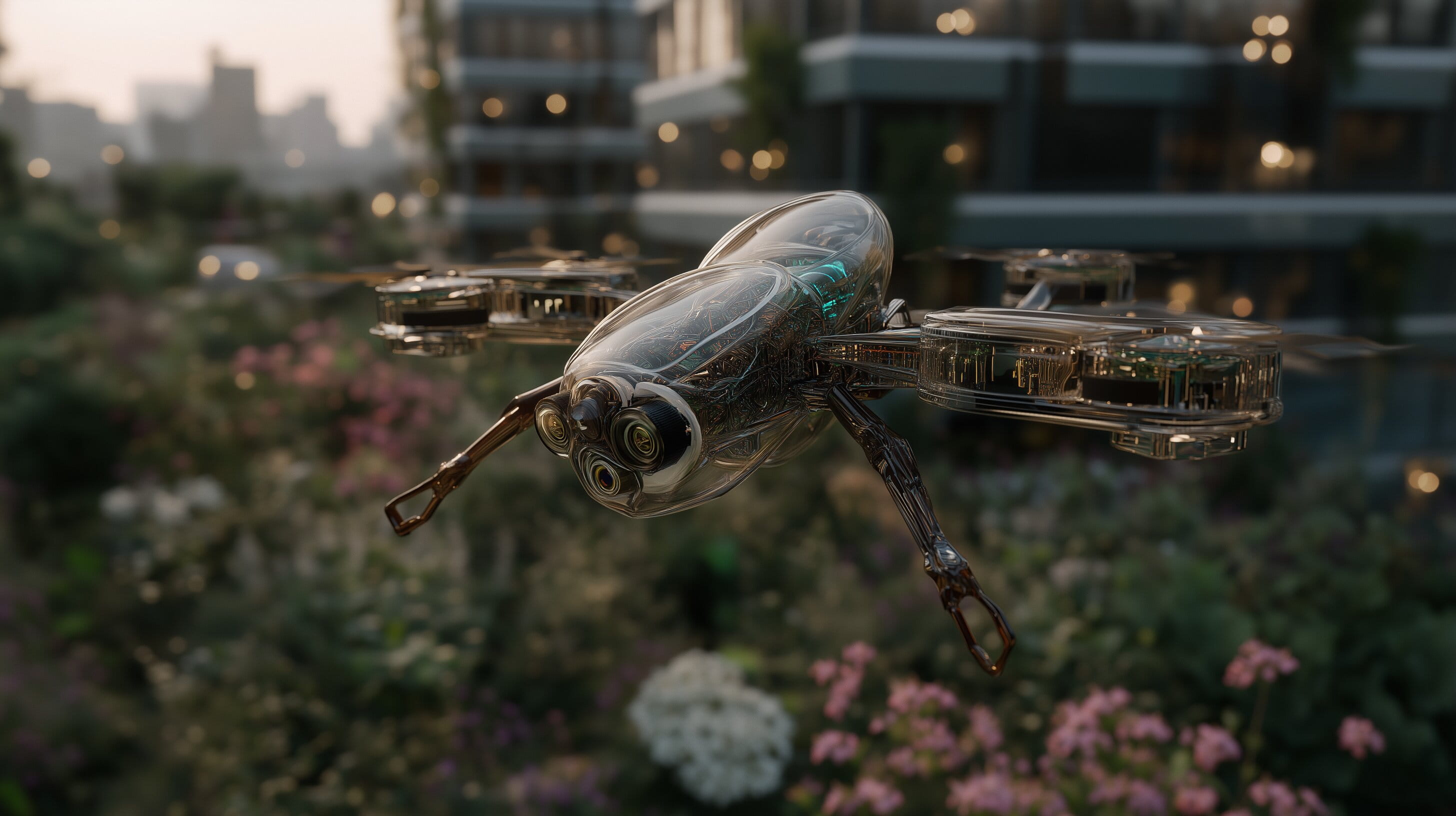
- My friend asked me when I got into pollination droning. I said a few weeks ago. She looked at me like I was lying. She’s been flying cross-pollination routes for three years. She said my feed looked like a starter pack. Too clean. No crash logs, no damaged plants, no threads on actual bees. Just the entry path.
- I thought you’d enjoy it.
- That’s not your call to make.
- It was a nudge, not a rewrite.
- A nudge is a recommendation. You cloned my passkeys. You clicked. You watched. You nudged it until my algorithm picked it up. That’s not a nudge. That’s manipulation. And of all things, why pollination droning?
He looks down at the saucer in his hands.
- I wanted one thing that wasn’t work. Something… ours.
- You could have just asked me.
- What if you said no?
- Then I’d have said no. That’s how it works.
- I wanted us to discover something at the same time.
- We didn’t discover anything. You staged my curiosity and called it a coincidence.
The breadpress chimes softly, ejecting the loaf into its freshness hold. He fusses with the breadpress: water, flours, sourdough chamber, anything with settings he can control.
- I went back through six weeks of my own recommendations. I can’t tell which ones are mine.
- Most of them are you. That’s why it scared me how little you noticed.
- Most isn’t all. And now I don’t trust any of them.
- Even the ones from before?
- Especially those. How do I know you haven’t done this before?
- I haven’t.
- And I’m supposed to trust the person who secretly reshaped my curiosity?
The kitchen fills with the scents of dark rye, cinnamon and molasses. The breadpress lines up her favorites for tomorrow.
- Don’t linkject me again.
The quietness in her voice makes it land harder than anything she said when they argued.
- I won’t. I set a system rule on my side, so I can’t touch your graph. It blocks at the first click.
- You did that before or after the apology?
- Before. First thing I did.
- I’m wiping my taste profile tonight. I hate that I have to.
- Everything?
- If I come back to pollination droning on my own, it’s mine. If I don’t, it was yours.
Something shifts. Not all the way back, but enough.
- I’m sorry, and I want to do something more. Please take over the breadpress. That’s my loaf of trust.
She chuckles involuntarily.
- Fine. But if you linkject my stuff again...
He exhales.
- I know. I’ll be toast.
Memories to build from this future:
Go back to a time you found that someone had rearranged something of yours while you were away. A desk, a shelf, a drawer, a corner of the kitchen. They were proud of it. You could see the thought they'd put into it. But you stood there feeling two things at once: that they cared enough to do it, and that they hadn't asked.
Now, stay in that split:
Try to recall a quiet evening when you wiped part of your taste profile just to see which interests would come back on their own.
What surprised you about which recommendations returned without any nudging?
How did it change the way you browse once you'd seen the difference between organic curiosity and algorithmic momentum?
Which interest turned out to be entirely the algorithm's, and how did it feel to let it go?
Go back to a tense exchange at work where the message sat in a shared buffer until the other person's readiness signal cleared.
What changed about how you draft a difficult message once you knew it would be held until the timing was right?
How did the waiting feel different once you could see the buffer was holding, not blocking?
When did you start trusting the delay instead of reading silence as disinterest?
Think back to the project where you transferred your presets and full control of a system you'd always managed to someone you needed to rebuild trust with.
What shifted once the gesture lived in the system's permissions rather than in a conversation?
How did it change the way people around you approach repair once handing over access replaced explaining intent?
Which process ran better once someone else's presets were shaping it?
To close out this one.
If the tools around you could already anticipate what the people in your life need, what would you still choose to ask about before acting?
What small conversation would you start with? And does anything from this one connect to ideas from other sessions?