
Don’t predict the future.
Rehearse it.
Train your brain to thrive in uncertainty through science fiction designed for leaders and teams navigating rapid change.












The future arrives faster than strategy can adapt.
You've felt it. The acceleration. Pandemics. Global instability. AI. Annual plans now expire in months.
Yet innovation declines. People at work are too busy to think. Creativity diminishes. Most teams have fewer and fewer groundbreaking ideas.
The numbers tell the story
60%
of work time
is "work about work"
96%
of senior leaders lack time for strategic thinking
06%
of CEOs are satisfied with their organisation's innovation
73%
expected growth in demand for creative thinking skills by 2030
The future has never been so close to the present.
The gap between "what if" and "what is" shrinks every day. More than ever, we need imagination.
So why does every organisation have a strategy department, but none has an imagination department?
What if the future felt familiar?
Try this now (60 seconds)
Your AI assistant flags that creative energy across attendees is at 19% and recommends cancelling your next meeting that starts in 5 minutes.

Do you override the AI, reschedule for peak energy, or switch to async?
What do you communicate to stakeholders?
When you hear "science fiction," you might picture Mars colonies, zombie apocalypses, or the singularity.
Business Sci-Fi is something different: everyday decisions in tomorrow's contexts.
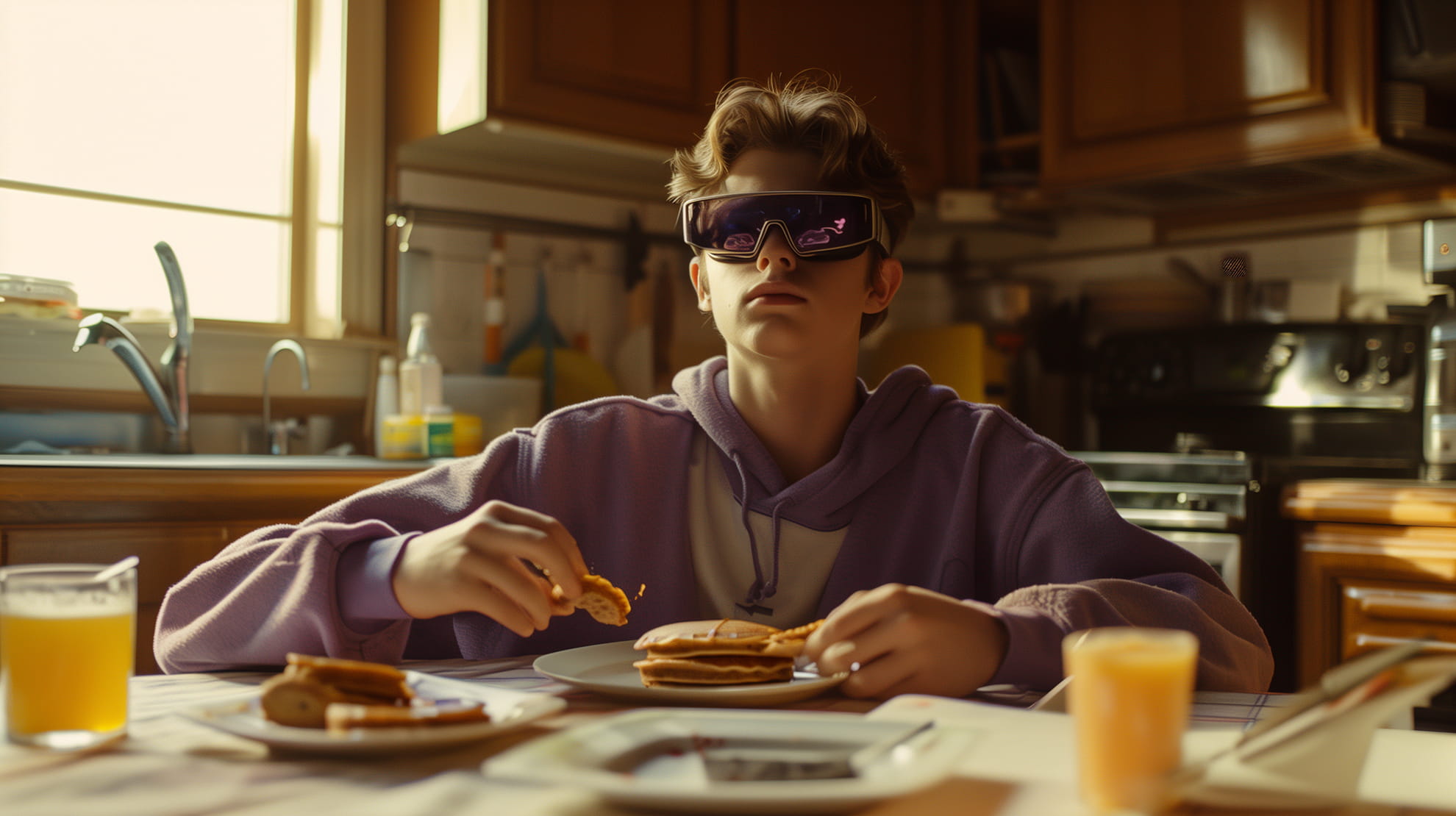
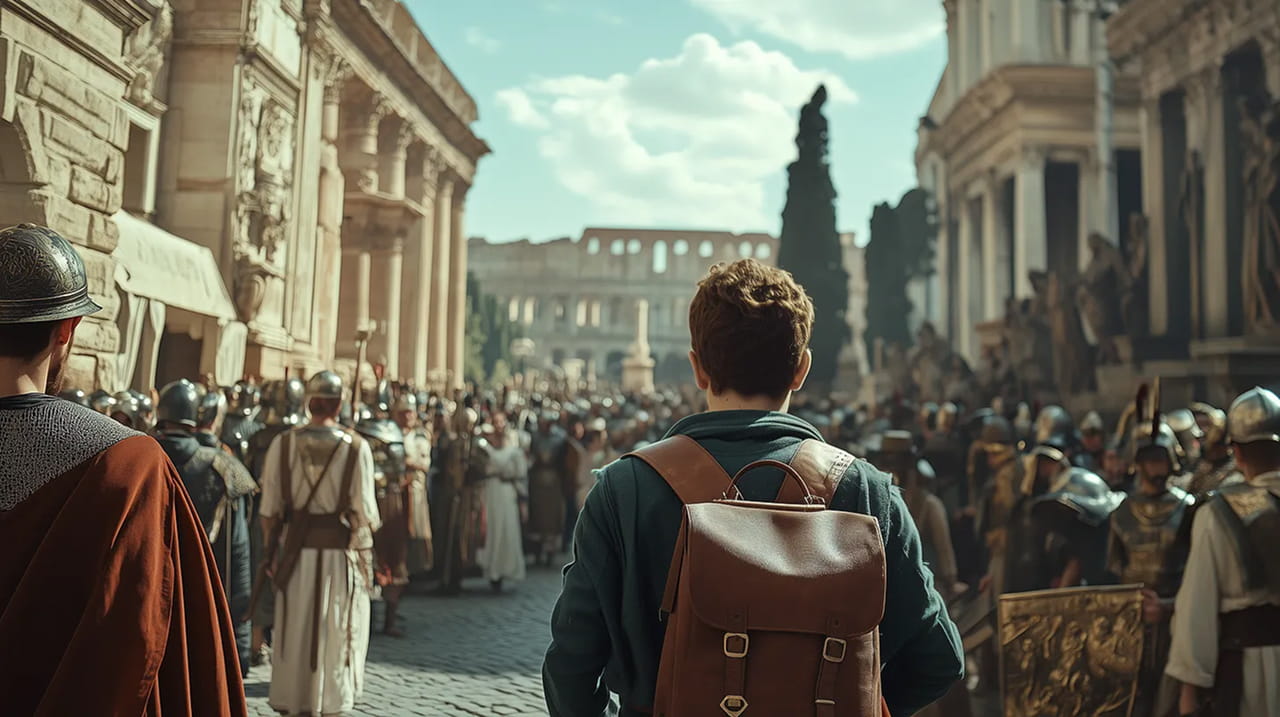
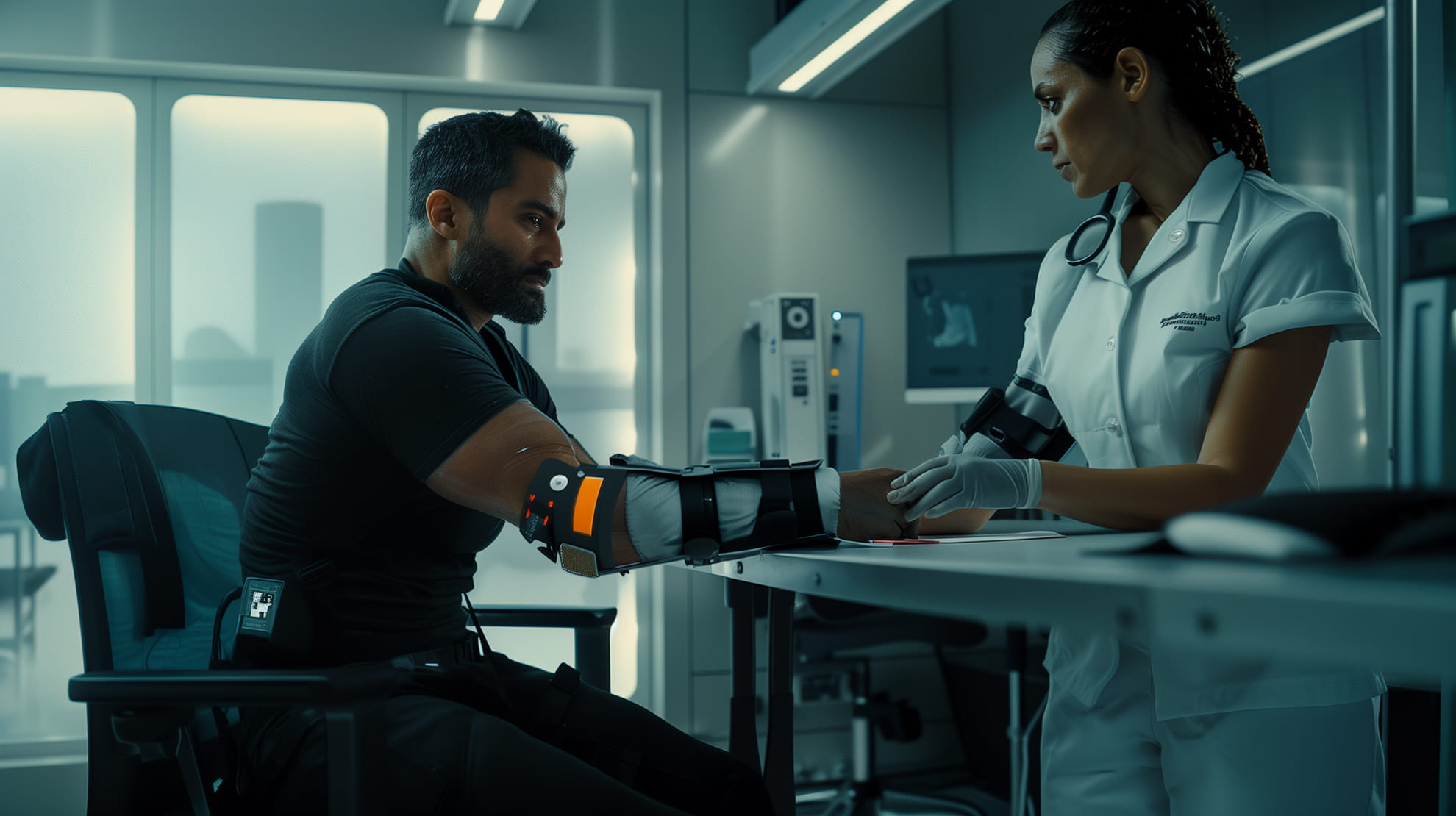
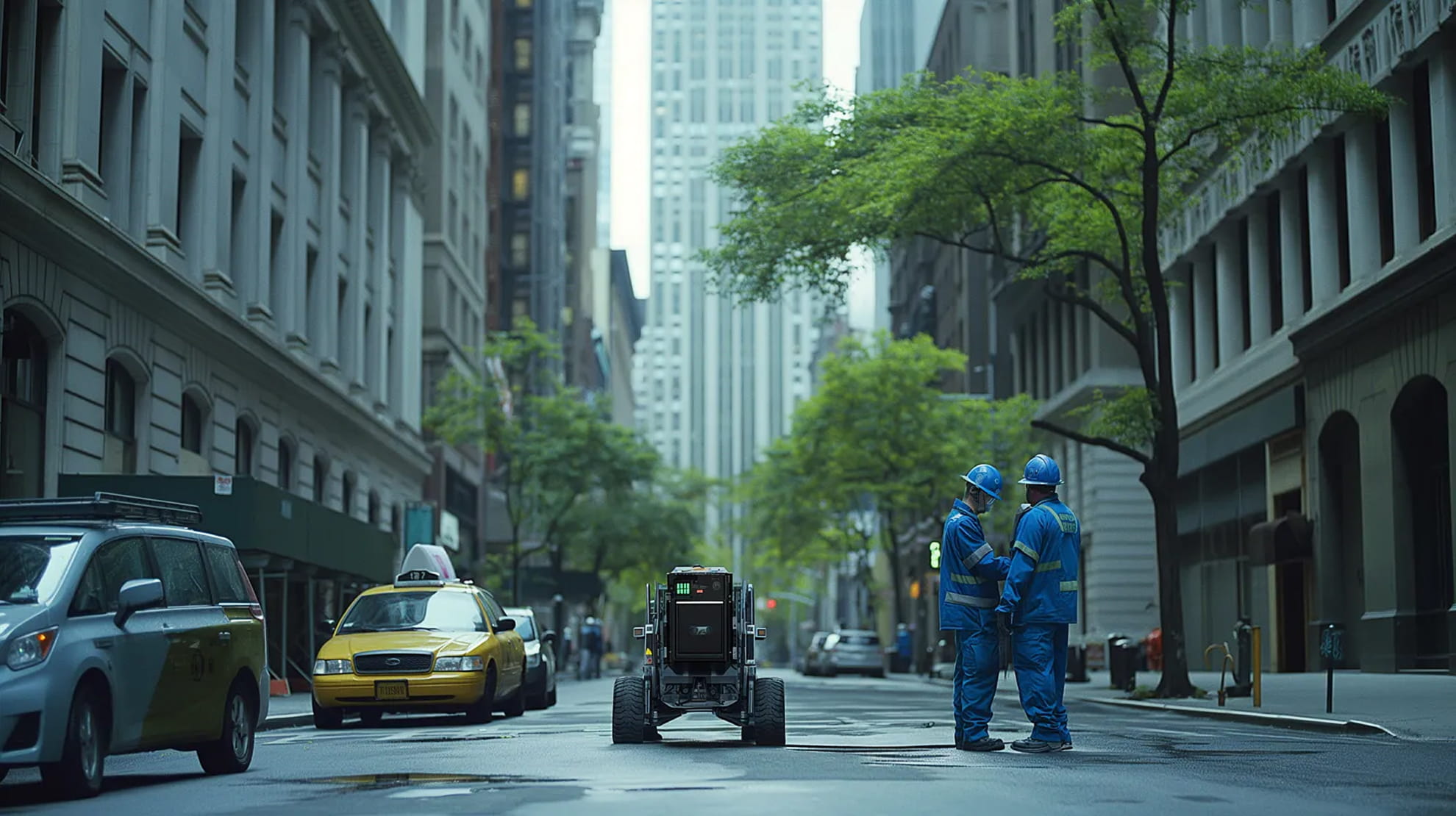
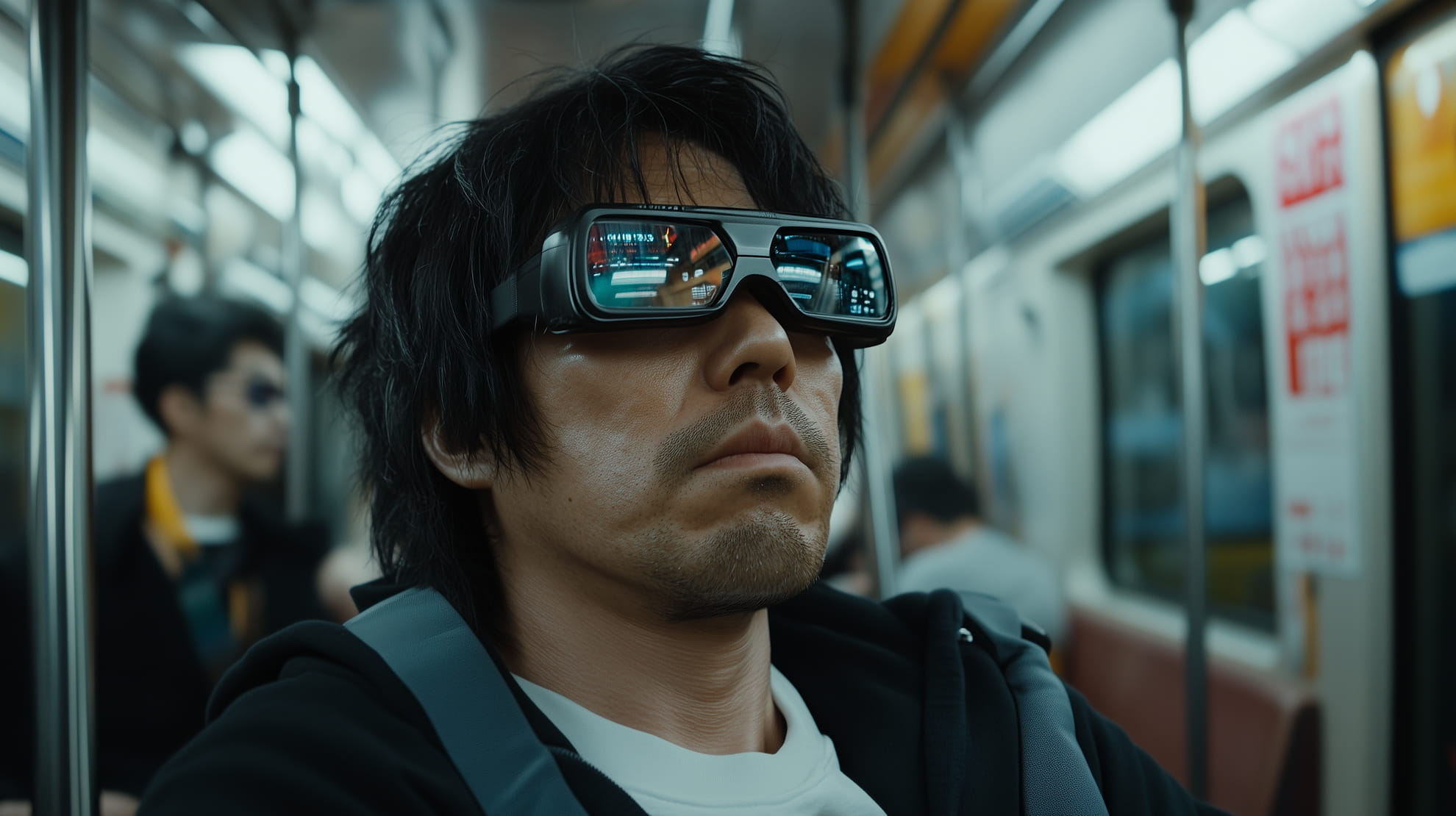
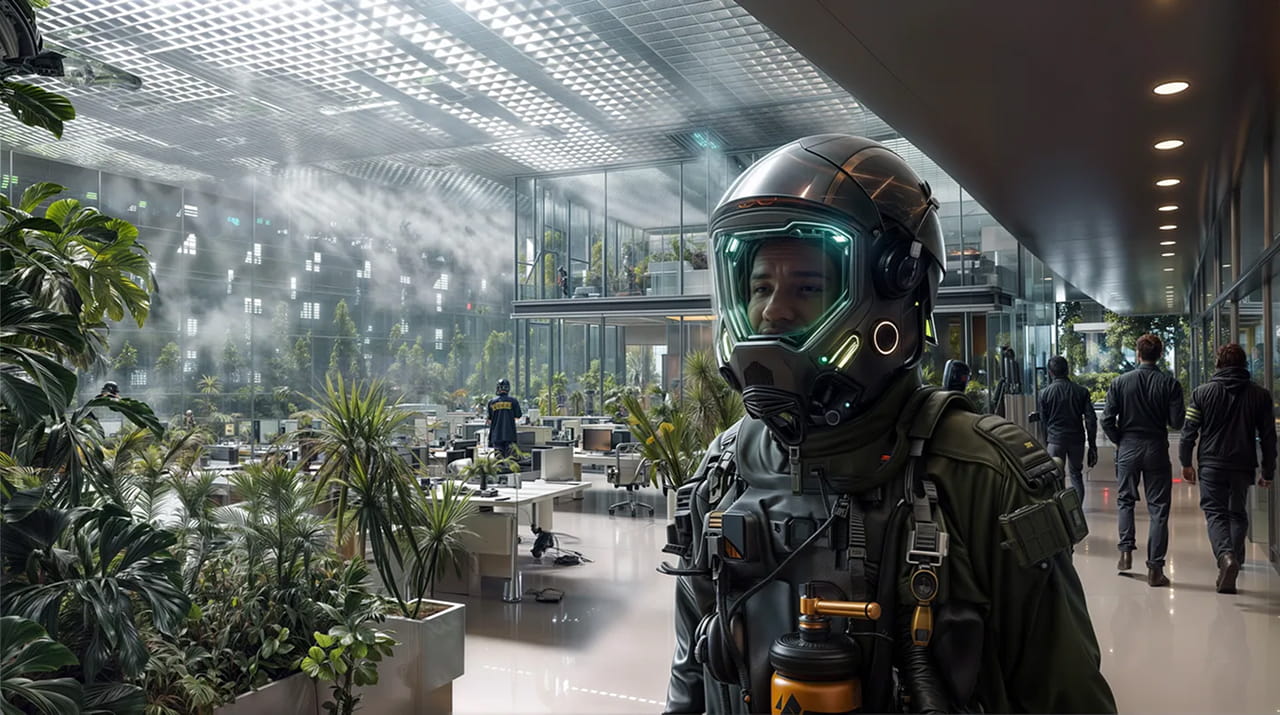
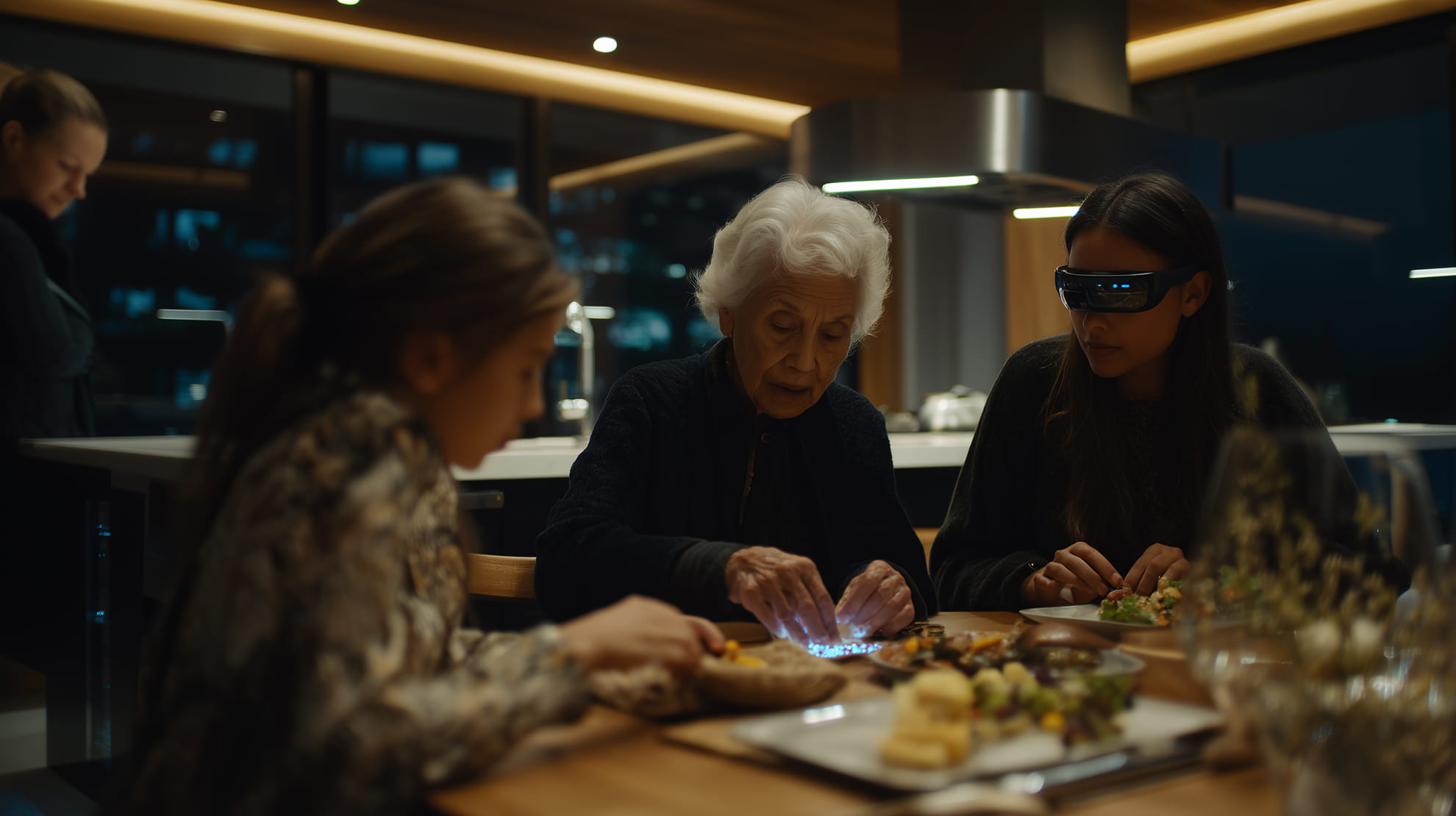
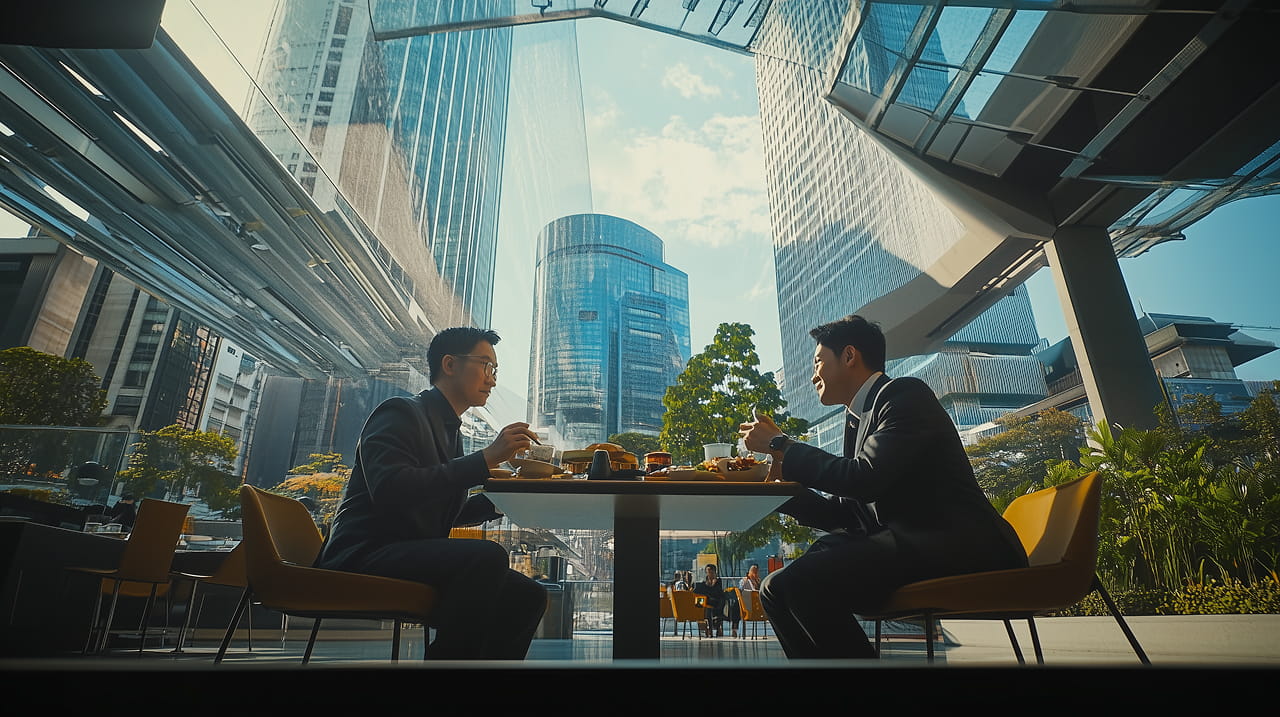
Working lunch. Family breakfast. Performance review. Playground time. Team standup. Dinner party. Doctor's appointment. Grocery run. Business Sci-Fi is about Monday mornings, not distant planets.
Every story is protopian by design, not because optimism is nice, but because futures worth building change how people make decisions. Research consistently shows that positive future scenarios produce stronger shifts in real-world behaviour than warnings will ever do.
You don't prepare for tomorrow by dreading it.
Meet the futures you can try on.

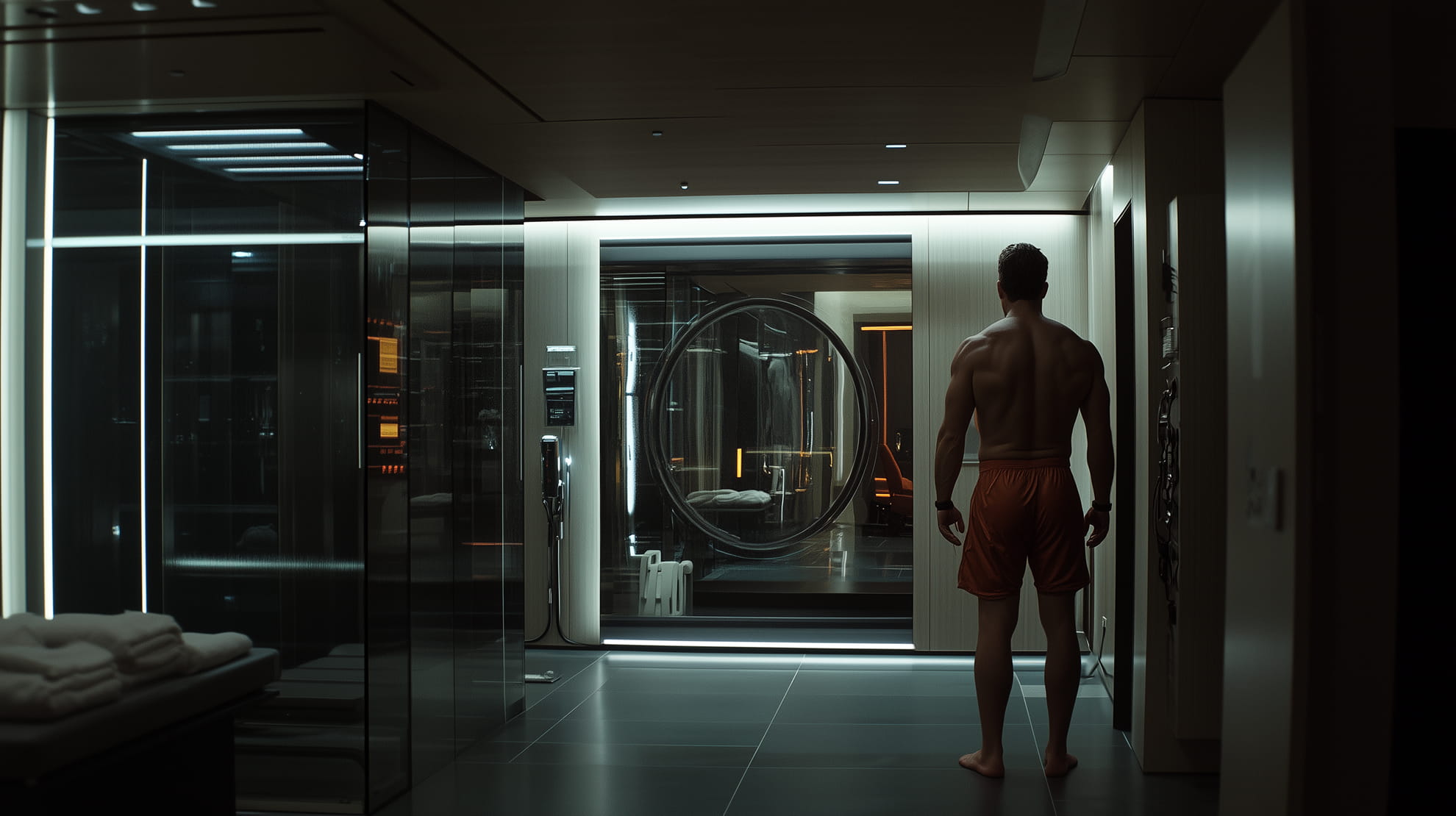
Monday morning
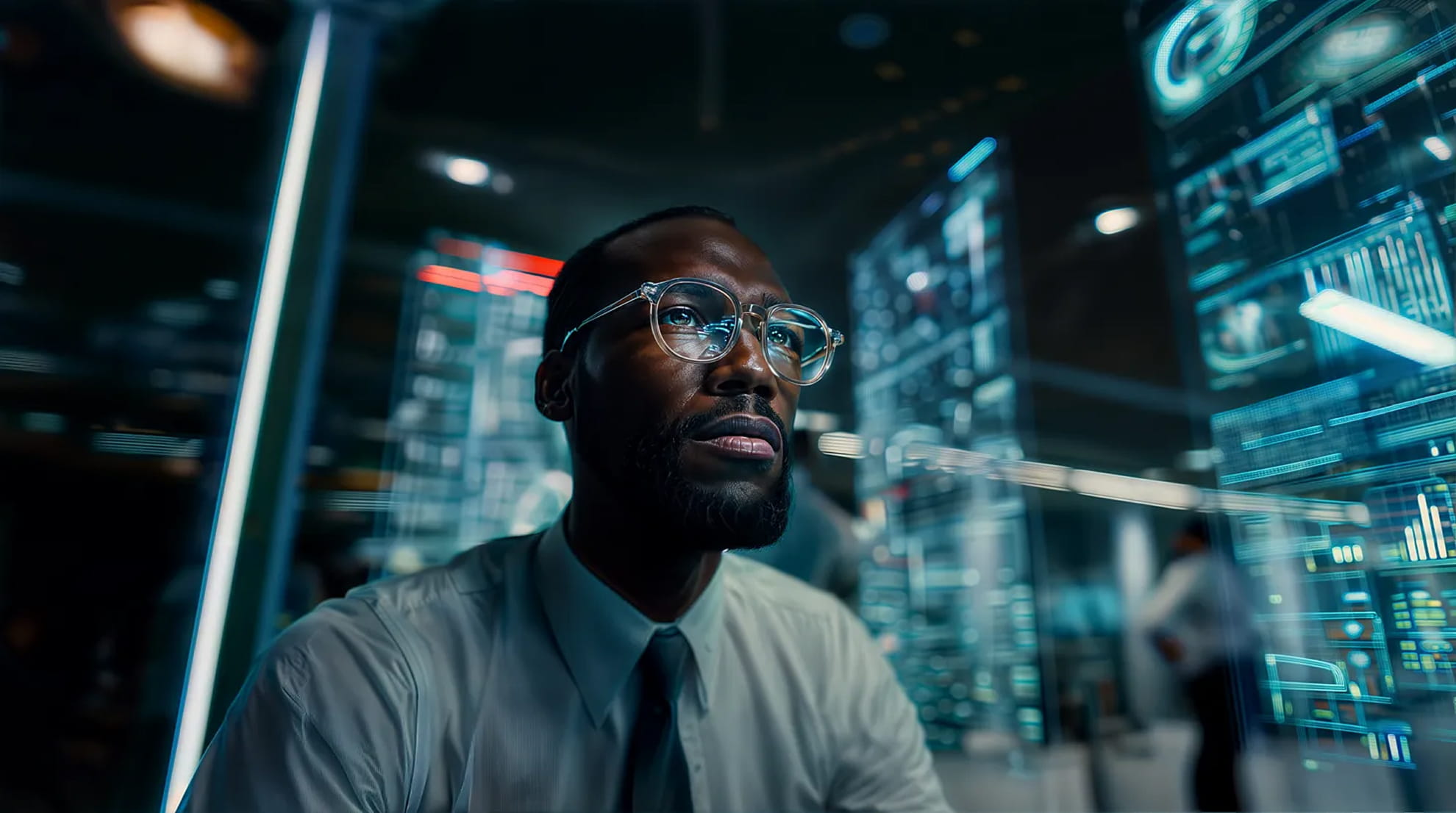
Your performance preview replaces the annual review, mapping multiple growth paths as new skills emerge.

Over coffee
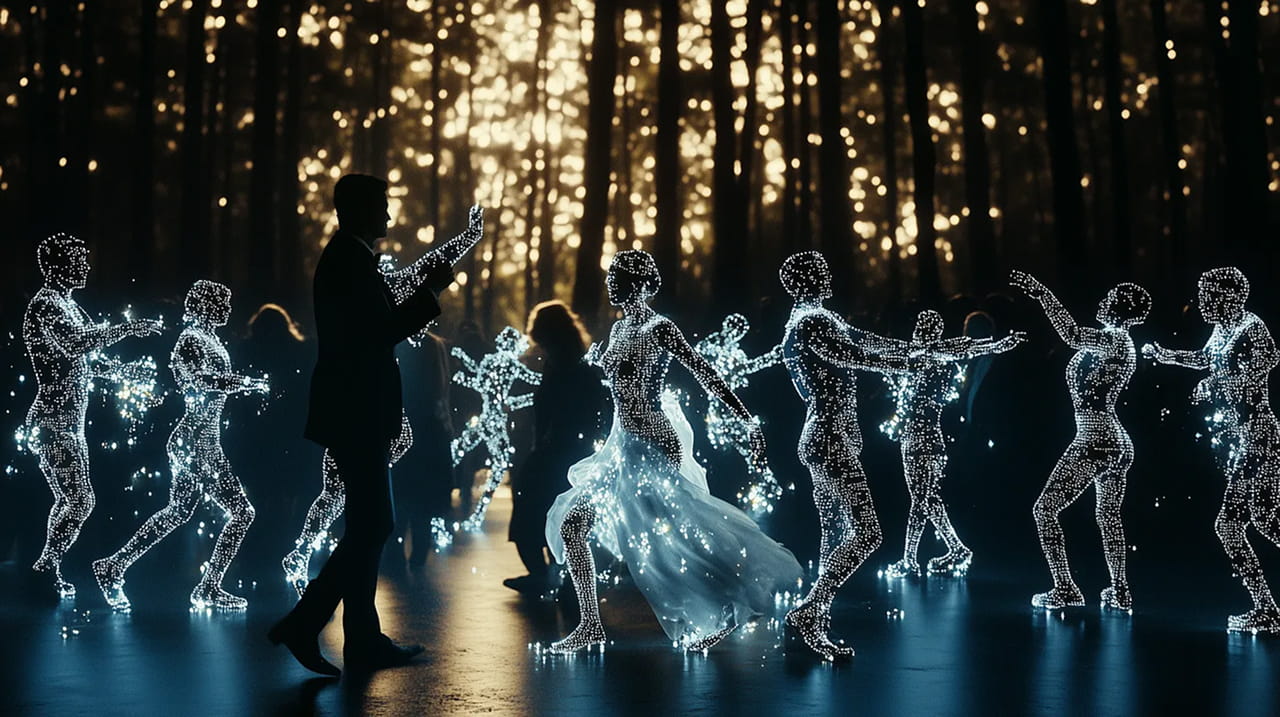
Teammates trade lifestyle presets like playlists.
Afternoon
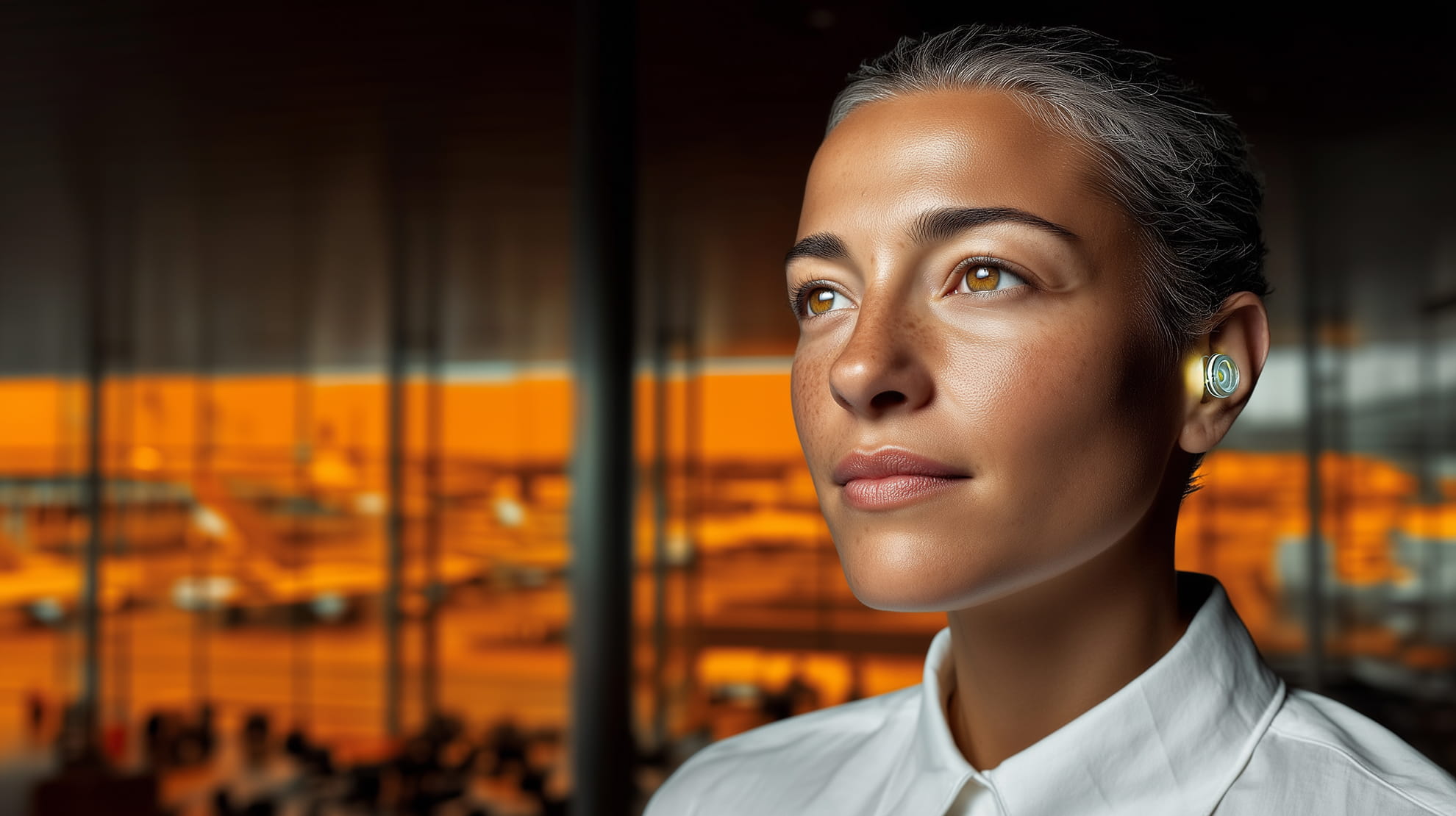
Your augmented team suggests multiversing your business model to help you choose the best projects to commit to.
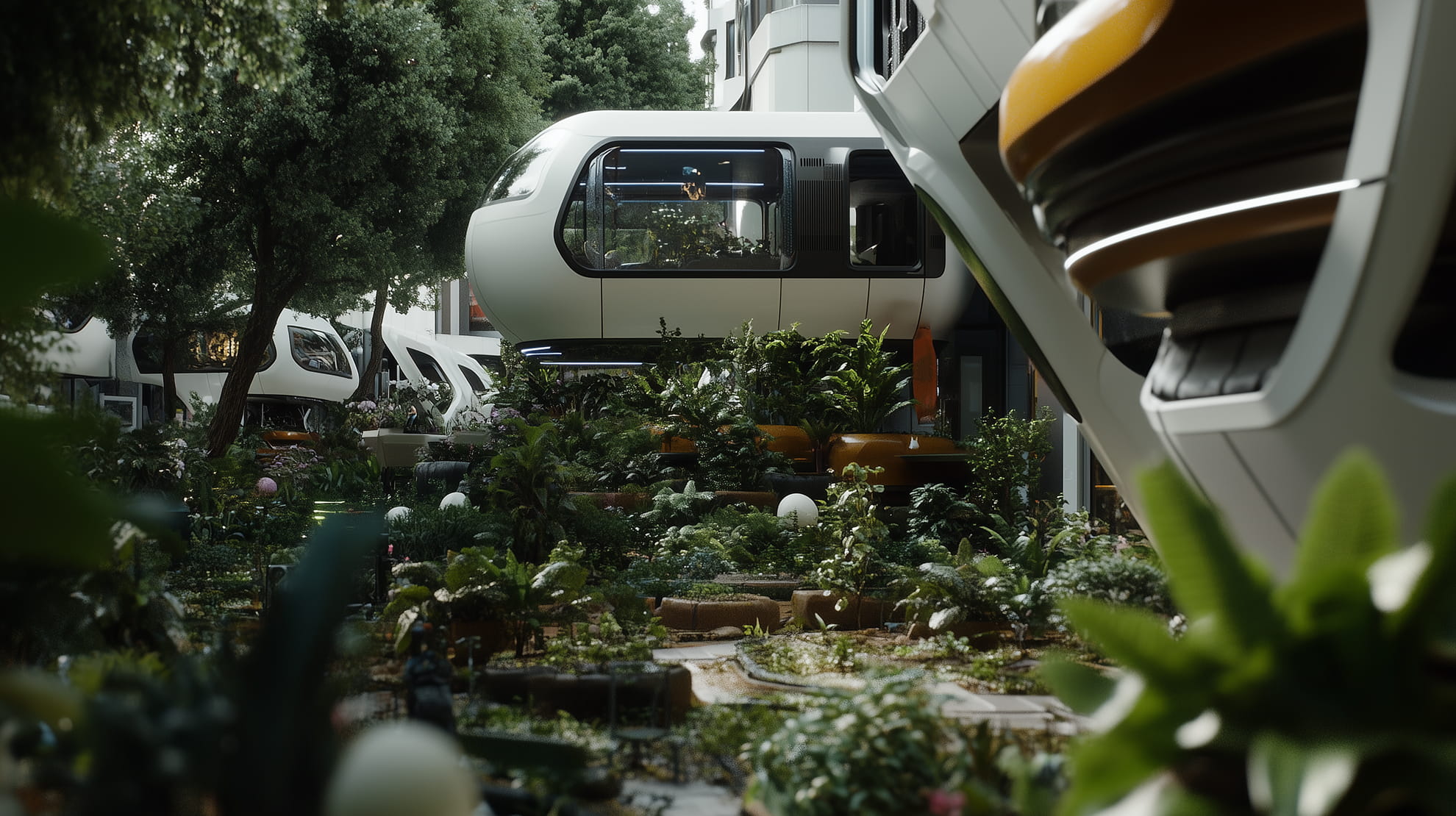
Evening
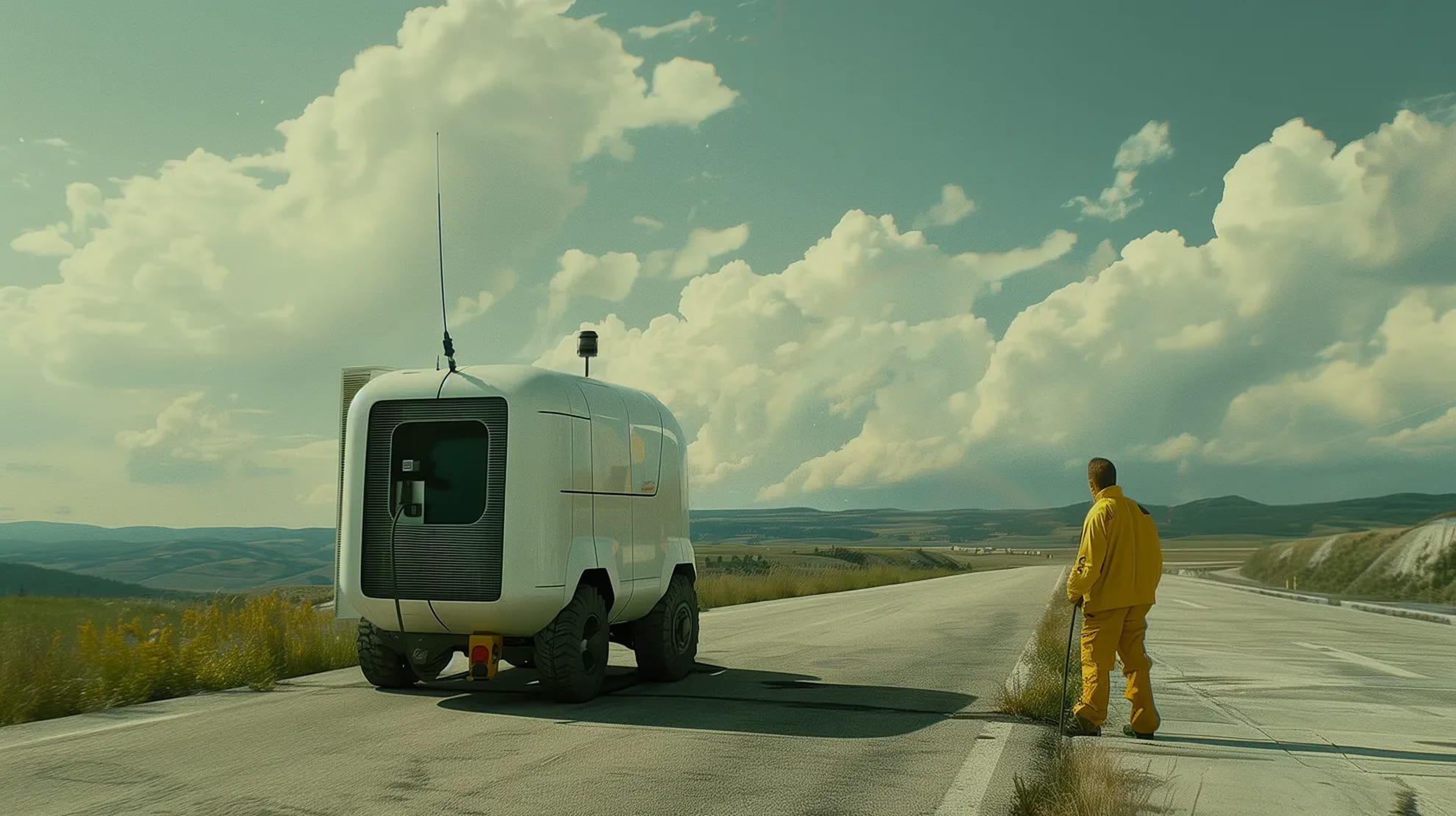
Your internet of plants pings you before a storm to strap down the trees.
These aren't stories to read and forget.
They're practice sessions: vivid moments you can feel, decisions you can practise, futures you can try on.
Whether you're preparing yourself, your team, or your clients, it works.
"In over 8 years of facilitating teams, I've never encountered anything like Practical Futures. Pick one story that fits your situation, discuss structured questions about your work, and suddenly everyone is engaged in strategic speculation. Every company is trying to prepare teams for AI, but almost no one knows how to make creative thinking accessible. This does, without asking people to be someone they're not."

Why stories change decisions in ways that data can't
Business Sci-Fi is built on episodic future thinking, shown across 47 studies to improve decision-making.
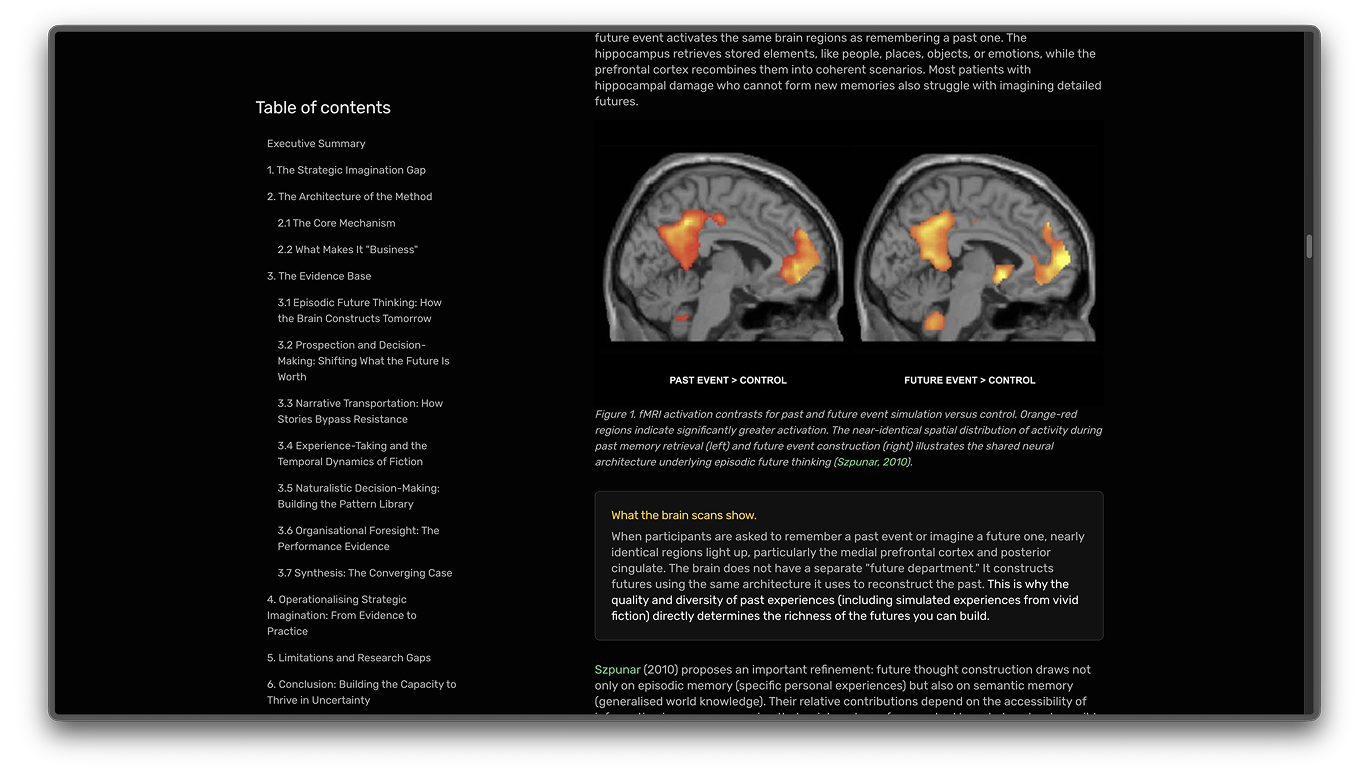
Your brain imagines the future with the same system it remembers the past.
When you vividly imagine yourself in a future situation, your brain activates the same neural architecture it uses to recall past experiences. This isn't metaphorical. Most patients who lose the ability to form or recall memories also struggle with imagining futures. Your memory system and your imagination system are almost the same system. And fiction engages it directly.
Stories slip past the resistance that often kills strategic foresight.
When you read a trend report or forecast, your analytical mind evaluates, critiques, and often dismisses its findings. When you're immersed in a story, your brain processes the experience rather than arguing with it. You don't debate a narrative the way you debate a prediction. You inhabit it. Research confirms that readers spontaneously simulate characters' decisions as their own, creating transferable learning without triggering the usual resistance.
Rehearsal builds the same pattern library that experts use under pressure.
The difference comes down to one question.
Forecasts ask: "What will happen?" which tends to create anxiety and analysis paralysis, as you're stuck waiting for certainty that never comes.
Episodic future thinking asks: "What would I do if this happened?", creating agency. You're not guessing the right future. You're rehearsing many possible futures.
Each story you engage with adds to a mental library, the same kind of mechanism experts use to make critical decisions under pressure. Not through slow deliberation, or option comparison, but through recognition. They've encountered the shape of the situation before, even if the specifics are new.
That's the capability you're building, one story at a time.
This is strategic imagination: the practiced ability to mentally rehearse possible futures and make better decisions under uncertainty. Train it. One story at a time.
Meet the tools making imagination operational
Three tiers of practice designed to integrate into how you already work, from individual habit to team and organisation-wide capability. Not a one-off event. An ongoing practice.
Start free. Scale when ready.
Develop confidence with uncertainty
Ten minutes. One story. Three reflection prompts pairing a plausible situation with a decision. Rehearsing everyday decisions in tomorrow's context builds confidence with uncertainty. And fits a coffee break.
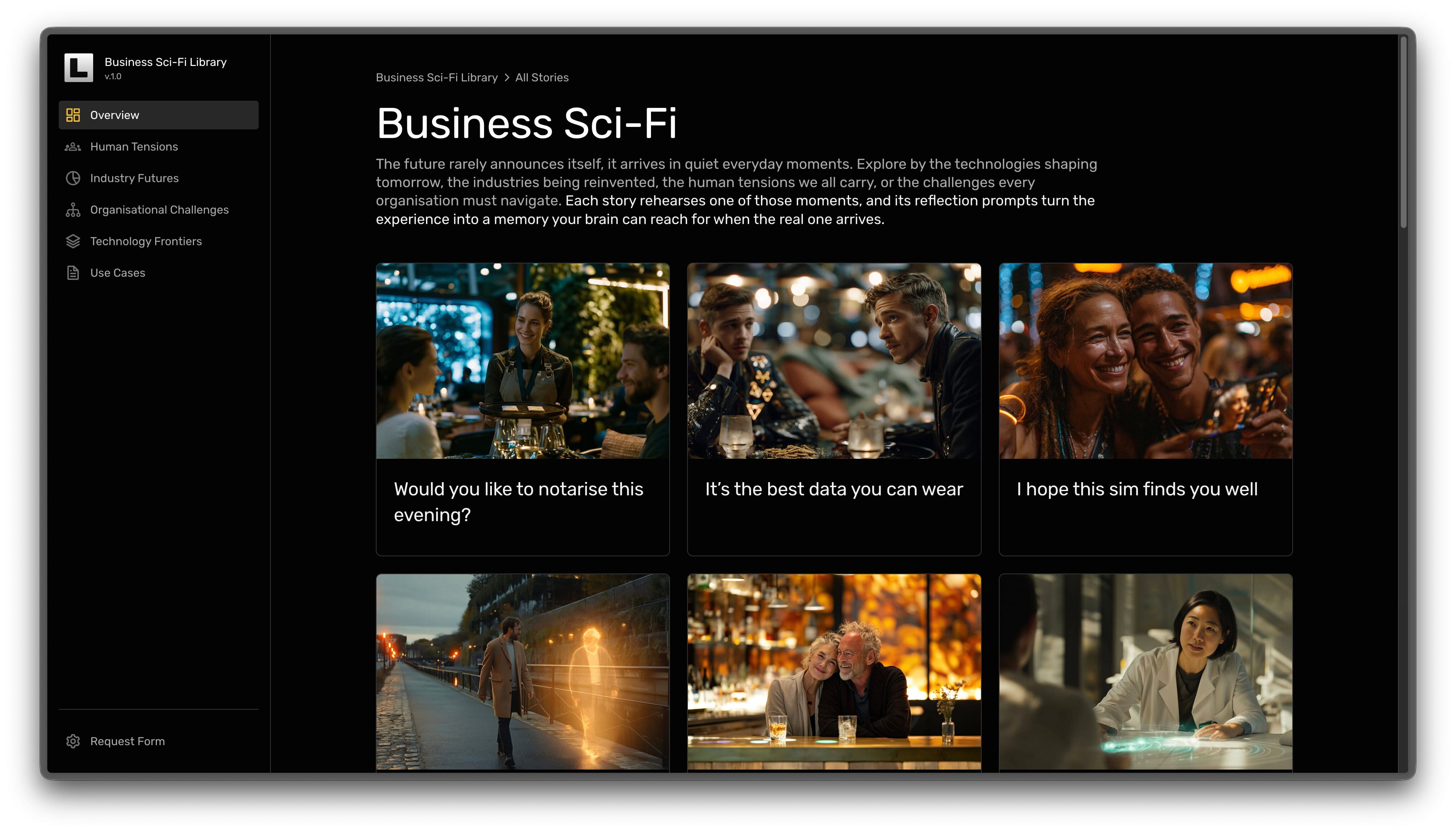
Business Sci-Fi Library
Browse 100+ relatable futures organised by 12 technologies, and 15 industries. New stories added weekly. No signup required.
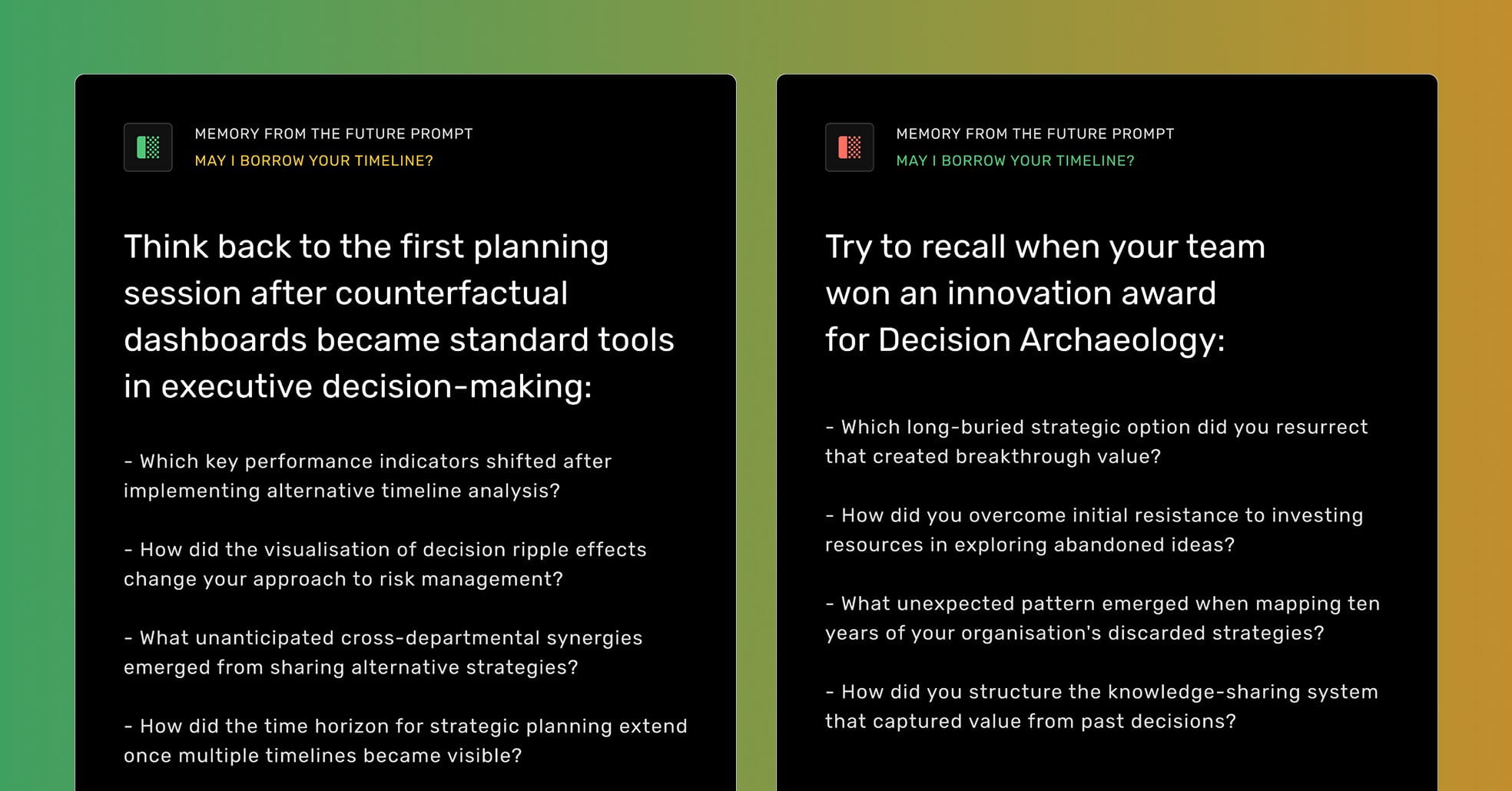
Weekly Futures
New Business Sci-Fi story with "memory from the future" prompts, every week in your inbox.
Build a future-thinking reference that compounds over time
Ready to go deeper? Focus your practice on what matters most to you, and start turning your reflections into a strategic resource, uniquely grounded in your context and growing with every story.

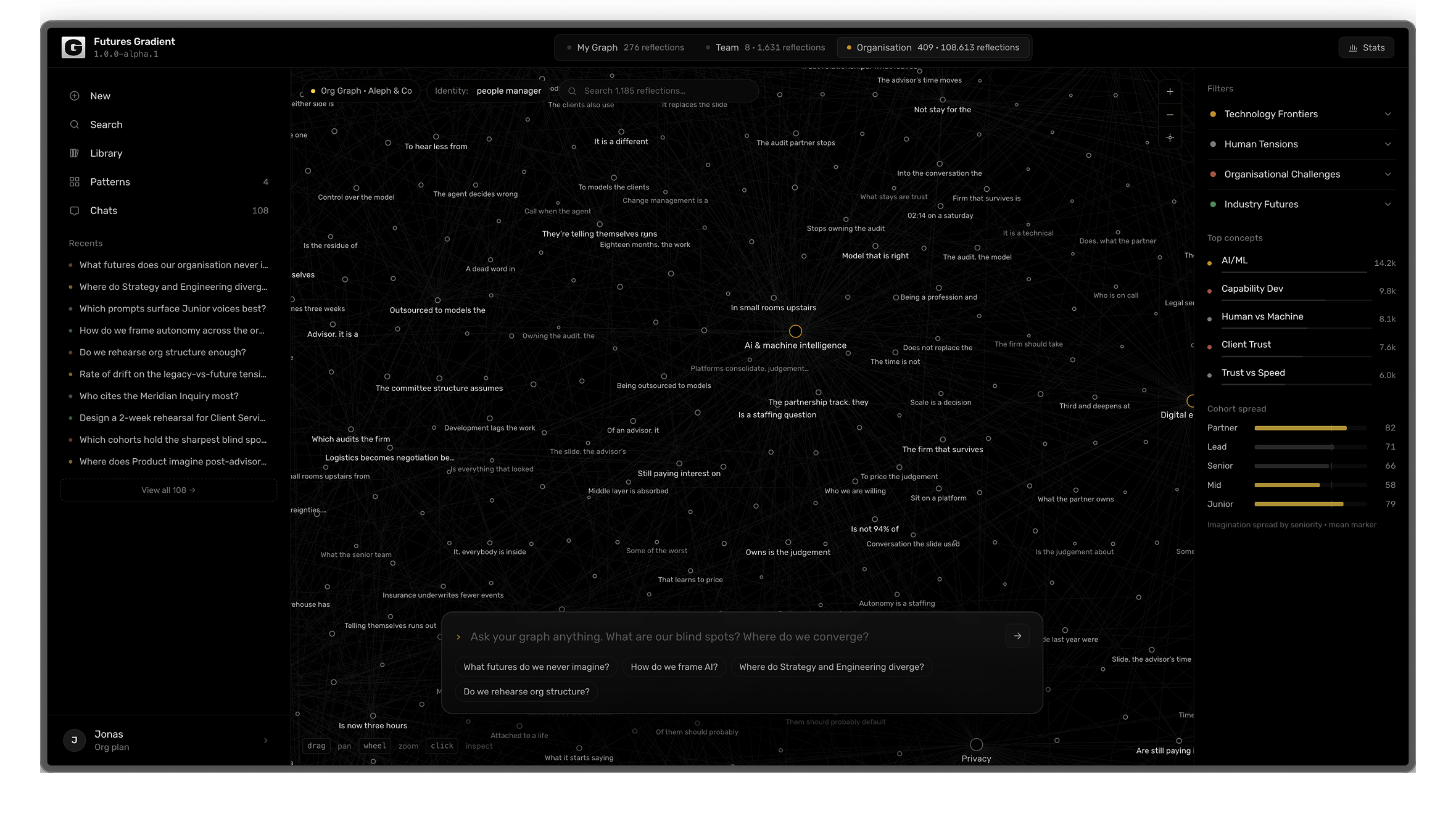
Futures Gradient
Turn your accumulated "memories from the future" into a personal knowledge graph you can mine for strategic insights with any AI assistant. Your practice becomes a compounding reference library.
Unlock your organisation's most underutilised asset
Individual practice is powerful. Team capability is transformational. Make imagination operational with collective intelligence tools, facilitation frameworks, and structured workshops that help teams rehearse tomorrow together.

Futures Gradient for Organisations
Continuously map the collective imagination across your organisation. When hundreds of people rehearse futures through the same stories, patterns emerge that no individual could see alone: strategic blind spots, shared assumptions, emerging opportunities grounded in operational reality. Distributed imagination becomes actionable intelligence.

Outcome Sprints
Turn any Business Sci-Fi story into three testable actions in 90 minutes, with owners, evidence, guardrails, and a review on the calendar.

Workshop Kits
Complete self-serve facilitation-in-a-box with plug-and-play formats anyone can run. No special training required.
Continuity infrastructure for consultants & facilitators
Your clients hire you for transformation. Then you leave. And the momentum fades. Insights cool down. New habits revert to old defaults. By the time you return, you're rebuilding context instead of building on it. Practical Futures gives you continuity infrastructure: a system that keeps strategic thinking alive between your engagements.
Before your engagement
Share curated scenarios that warm up strategic thinking before you enter the room. The cold start problem disappears.
During your engagement
Story-based scenarios generate richer discussion than abstract frameworks. Facilitation moves faster because the imaginative groundwork is already laid.
After your engagement
Regular scenarios keep clients practicing between sessions. Your thinking stays active in their conversations long after the workshop ends.
The result?
Clients who build ongoing practice see compounding returns, and they'll want you there for the next phase. When they describe your work to colleagues, they don't say "we did a workshop." They say "we started a practice."

Hi, I'm Pawel
For the past decade, I've designed decision-making tools for experts in complex fields: cybersecurity professionals assessing risk, insurance companies anticipating claims patterns, media researchers navigating technology shifts, or M&A teams evaluating strategic scenarios.
Over 20 years in the creative industries taught me something: professionals have the expertise to make great decisions if you give them tools and permission to explore multiple futures without committing to predictions.
But it took watching entire industries scramble to adapt overnight to realise that imagination isn't a nice-to-have. It's the only strategy that survives disruption.
Today, I'm building what I believe every organisation will eventually need: infrastructure for an imagination department.
Practical Futures is the first step.
When machines can think, imagination is the only strategy that survives disruption.
While plans fail and predictions expire, the ability to envision alternatives continuously adapts. Every future you rehearse makes the next real decision sharper. Every story adds to a pattern library your competitors don't have. The practice compounds, and it starts with a single story.
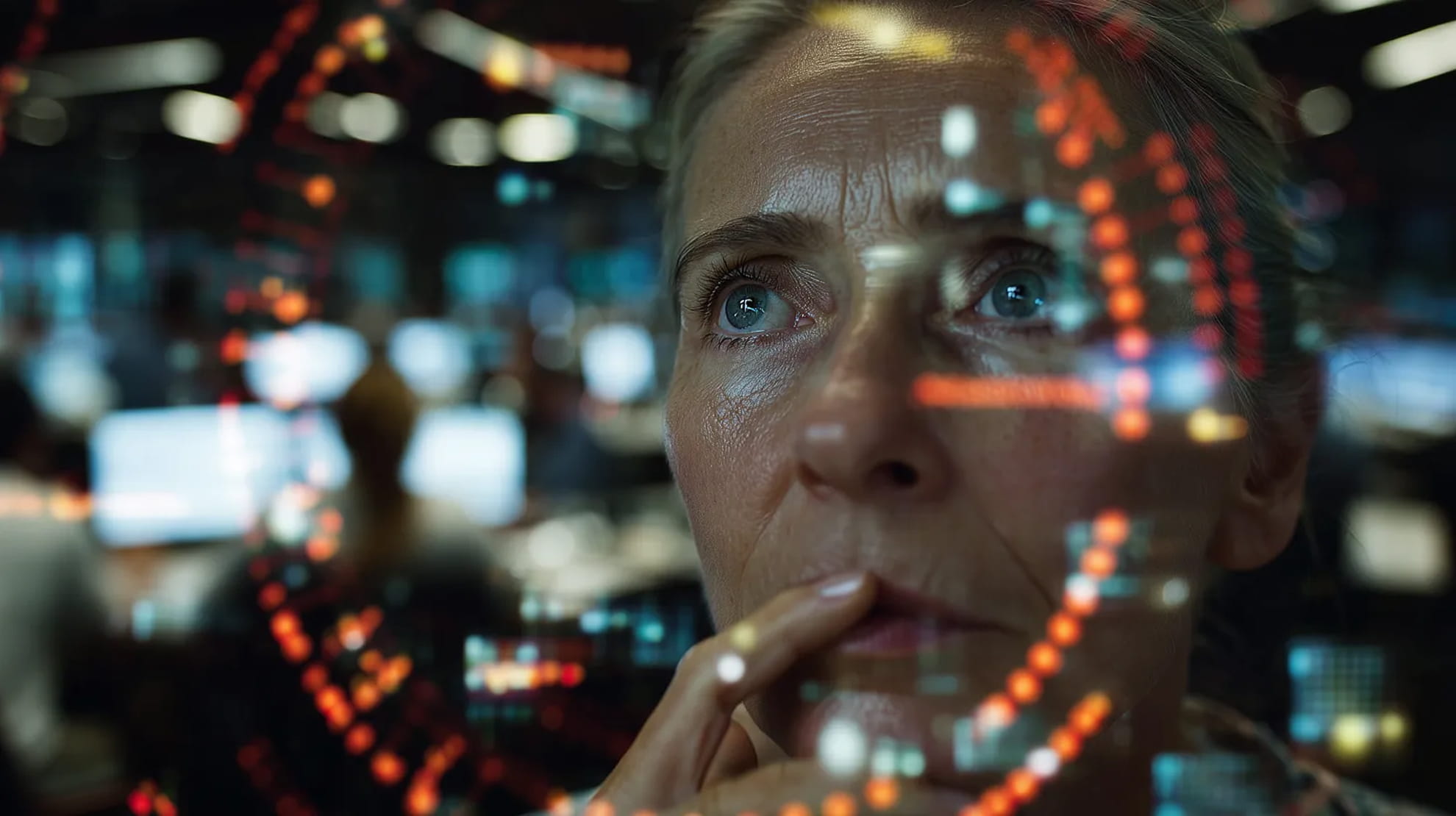
When machines can think, imagination is the only strategy that survives disruption.
While plans fail and predictions expire, the ability to envision alternatives continuously adapts. Every future you rehearse makes the next real decision sharper. Every story adds to a pattern library your competitors don't have. The practice compounds, and it starts with a single story.